

A broken tooth can cause sudden and intense discomfort that makes eating, talking, and even breathing difficult. Whether it’s a small chipped tooth, a deep cracked tooth, or a full tooth fracture, pain often follows because the inner parts of the tooth become exposed.
Understanding the cause of broken tooth pain and knowing what to do about it can make a big difference in protecting dental health and preventing further complications.
This guide explains the main causes, symptoms, and treatment options for a cracked or broken tooth, along with safe ways to relieve pain before getting professional treatment from an appropriately qualified dentist.
What Causes Broken Tooth Pain?
A cracked or broken tooth can occur for many reasons, such as biting down on hard foods, teeth grinding, or experiencing dental trauma. When a crack or break extends into the deeper layers of the tooth, it can uncover the dental pulp, the soft tissue housing nerves and blood vessels. Once this happens, even mild pressure or hot or cold temperatures can cause pain.
 Other common causes include:
- Tooth decay weakening the tooth’s structure
- Old dental fillings that no longer support the surrounding enamel
- Accidents or falls leading to chipped or fractured areas
- Sudden temperature changes in the mouth from hot or cold food or drinks
- Gum disease that compromises the stability of the tooth near the gum line
Depending on how deep the tooth cracks go, the pain can vary from dull sensitivity to sharp pain that lasts several seconds or minutes.
Key Signs and Symptoms of a Cracked or Broken Tooth
Not all cracks are visible; sometimes, you may only notice discomfort when eating or brushing. Common signs of a cracked tooth or fractured tooth include:
- Pain when chewing or releasing bite pressure
- Sensitivity to hot or cold temperatures
- Swelling around the affected tooth
- Pain that comes and goes without a clear cause
- Discomfort near the gum line
When the crack extends into the pulp, the painful tooth may react strongly to temperature changes, pressure, or even air exposure.
Why Broken Tooth Pain Happens
When a tooth breaks, the protective tooth enamel may no longer shield the sensitive layers beneath. This exposes the dentin and dental pulp, leading to irritation and inflammation.
The exposed nerves and blood vessels send signals to the brain, resulting in dental pain. If the crack deepens or becomes infected, the pain can spread, making prompt treatment essential to avoid further damage or infection that could require root canal therapy or even tooth extraction.
Types of Tooth Cracks and Breaks
Different kinds of cracks can lead to different levels of discomfort. Understanding the type helps determine the right treatment options.
- Minor Chips: A chipped tooth that affects only the enamel may not always hurt, but it can still become sensitive over time.
- Cracked Tooth: A crack that reaches deeper layers may cause cracked tooth pain, especially when chewing.
- Split Tooth: A split tooth occurs when a crack divides the tooth into separate parts, which often requires immediate dental attention
- Fractured Tooth Cusp: Usually affects a filling or corner of a tooth and causes mild discomfort.
- Cracked Tooth Syndrome: Involves small, difficult-to-see cracks that cause pain when biting or when exposed to temperature changes.
Each condition can worsen without prompt treatment, so it’s important to see a dentist as soon as possible if you notice pain or sensitivity.
First Aid and Home Relief for Broken Tooth Pain
While waiting for professional treatment, there are several simple steps you can take to relieve pain and avoid further dental issues. These home remedies act as effective first aid for broken tooth pain:
- Rinse your mouth with warm water to cleanse the area and remove debris.
- Apply a cold compress to reduce swelling and relieve pain.
- Use fluoride toothpaste for sensitive teeth to help protect exposed dentin.
- Avoid extreme temperatures, such as very hot or cold foods and drinks, which can trigger discomfort.
- Take over-the-counter pain relief if necessary, following dosage directions carefully.
- Opt for soft foods and avoid chewing on the affected tooth.
- Maintain good oral hygiene by keeping up with proper dental care practices and brushing gently around the area to prevent infection.
These steps can provide temporary relief while you arrange for professional dental care. Only a dentist can accurately assess the damage and recommend appropriate treatment options.
Professional Treatment Options
A dentist can appropriately diagnose and treat a cracked or broken tooth. The right treatment options depend on how deep or severe the tooth fracture is.
- Dental Fillings or Bonding
For small chips or cracks that don’t reach the pulp, dental fillings or bonding materials can restore the tooth’s shape and function.
- Root Canal Therapy
If the dental pulp is exposed or infected, root canal therapy may be required. This procedure removes damaged tissue and seals the space to prevent further damage.
- Dental Crowns
A crown covers and protects a broken or cracked tooth, restoring strength and appearance.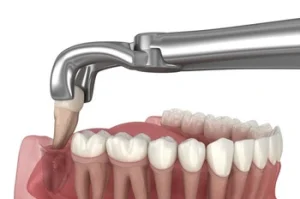
- Dental Implants or Tooth Extraction
If the tooth cannot be saved, tooth extraction followed by dental implants may be needed. This helps prevent shifting of other teeth and supports long-term dental health.
Your dentist will explain each treatment in detail and recommend the approach that suits your specific situation.
When to Seek Immediate Dental Attention
You should see a dentist as soon as possible if you experience any of the following:
- Constant or sharp pain when chewing or touching the affected tooth
- Visible cracks or breaks in the enamel
- Bleeding around the gum line
- Swelling, redness, or pus around the area
- Ongoing tooth pain that fails to ease with basic care
Delaying professional treatment may lead to further complications such as infection, progressive tooth decay, or a split tooth that may require even tooth extraction.
Preventing Broken Tooth Pain
You can’t always prevent accidents, but there are several ways to lower your risk of cracks or breaks and protect your tooth enamel: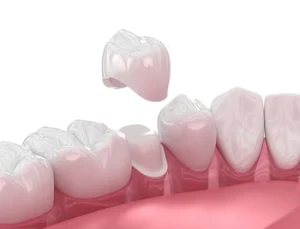
- Use a mouthguard during sports or at night if you tend to grind your teeth.
- Avoid chewing hard foods like ice or lollies.
- Use fluoride toothpaste to strengthen enamel.
- Visit your dentist regularly for check-ups.
- Get small chips or cracks repaired early to prevent broken tooth pain or further dental issues.
Maintaining proper oral hygiene and steering clear of harmful habits will help keep your teeth strong and reduce the likelihood of tooth fractures.
The Importance of Prompt Treatment
Ignoring broken tooth pain can allow bacteria to enter through cracks, causing infection and further damage. Seeking prompt treatment relieves pain and prevents long-term harm to the tooth’s structure and surrounding gums.
Remember, only a dentist can safely repair or restore a fractured tooth. Attempting DIY fixes or waiting too long can lead to further dental issues and more complex treatment options later.
Recovery and Aftercare
After receiving professional treatment, proper aftercare helps ensure healing and prevents further complications:
- Avoid biting down on hard or sticky foods for the next few days.
- Keep rinsing your mouth with salt water to maintain cleanliness in the area.
- Use a cold compress if swelling develops.
- Follow all post-treatment instructions from your dentist carefully.
If you had root canal therapy, your dentist may recommend placing a crown for extra strength and protection. Maintaining regular visits ensures your teeth stay healthy and functional.
When a Broken Tooth Becomes a Dental Emergency
A broken or cracked tooth may not seem urgent at first, but severe or spreading pain can indicate an underlying infection. In such cases, immediate dental attention is vital to stop bacteria from reaching the roots and bloodstream.
If your painful tooth causes difficulty eating, speaking, or sleeping, contact your dentist as soon as possible. Getting early care helps ease pain while also protecting your natural teeth.
Conclusion
Broken tooth pain can range from mild discomfort to sharp pain that disrupts your day. While home measures like rinsing and cold compresses can offer temporary pain relief, professional treatment is the only lasting solution.
A cracked tooth or tooth fracture should never be ignored, as prompt treatment prevents further damage and preserves your tooth’s structure.
If you’re concerned about ongoing broken tooth pain or want to restore comfort and protect your smile, book a consultation or call (08) 7078 8263.
Note: Any surgical or invasive procedure carries risks. Before proceeding, you should seek a second opinion from an appropriately qualified health practitioner.
Resources
Watson, S. & Wyatt Jr., A. D. (2024). ‘Gingivitis and Periodontal Disease (Gum Disease)’. WebMD, 9 February. New York, NY: WebMD LLC.
https://www.webmd.com/oral-health/gingivitis-periodontal-disease
Colgate. (2023). ‘What Is Good Oral Hygiene?’. Colgate, 9 January. New York, NY: Colgate-Palmolive.
https://www.colgate.com/en-us/oral-health/adult-oral-care/what-is-good-oral-hygiene
Cherney, K. (2023). ‘Cavities’. Cleveland Clinic, 27 March. Cleveland, OH: Cleveland Clinic.
https://my.clevelandclinic.org/health/diseases/10946-cavities