
A situation where a crown broke off with a tooth in it can feel alarming, especially if part of the natural tooth comes out attached to the dental crown. In some cases, only the crown becomes loose. In other situations, part of the tooth underneath may also break away at the same time.
This can happen for several reasons, including tooth decay beneath the crown, weakened tooth structure, teeth grinding, or damage to the dental cement holding the crown in place. A broken crown may also expose sensitive parts of the tooth and affect chewing, comfort, and the smile’s appearance.
Understanding what may have happened can help you respond calmly and protect the affected tooth until you can see a dentist.
What Does It Mean When A Crown Comes Off With The Tooth?
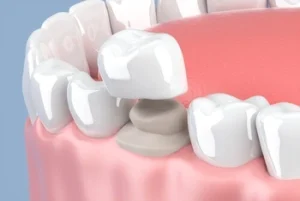
A dental crown is designed to cover and protect a damaged tooth. The crown is usually attached using dental cement after the tooth has been prepared and shaped.
Sometimes, when the crown falls out, part of the tooth structure remains inside the cap. This may happen if the tooth underneath has become weak over time.
Why Part Of The Tooth May Break Away
 The natural tooth beneath a crown can weaken because of:
- Tooth decay under the crown
- Previous large fillings
- Cracked tooth structure
- Repeated bite pressure
If there is not enough tooth left to support the crown properly, the crown may loosen or break away, together with part of the tooth.
Is This A Dental Emergency?
In many cases, the situation should be treated as a dental emergency, particularly if there is severe pain, bleeding, swelling, or an exposed tooth.
Even when pain is mild, delaying treatment may increase the risk of further damage or infection.
Common Signs After A Crown Breaks Off
The symptoms can vary depending on how much tooth structure was affected.
You May Notice:
- A loose crown or broken crown in the mouth
- Sharp edges against the tongue or gums
- Pain during chewing
- Sensitivity to temperature
- A visible gap where the crown was attached
- Part of the tooth inside the crown
Some people notice only mild discomfort, while others experience severe pain if the nerve inside the tooth becomes exposed.
Changes In Bite And Appearance
A missing crown can affect the bite and the appearance of the smile. The surrounding teeth may also shift slightly if the crown is left untreated for a long period.
If the crown was placed on a front tooth, the cosmetic change may feel especially noticeable.
What To Do Immediately After The Crown Comes Off
The first priority is protecting the tooth and preventing additional damage.
Remove Debris Carefully
If possible, rinse the crown gently using warm water to remove debris. Avoid scrubbing the inside aggressively because this may damage remaining dental cement or fragile tooth structure.
Protect The Affected Area
 Until you can see a dentist:
- Avoid chewing on the affected side.
- Eat soft foods.
- Avoid sticky foods and chewy foods.
- Avoid hard foods.
- Keep the area clean.
These steps may help reduce pressure on the exposed tooth.
Should You Put The Crown Back Yourself?
Some people try to place the crown back temporarily. However, if part of the tooth structure is broken or cracked, forcing the crown back into position may worsen the damage.
Temporary dental cement products are sometimes used for a short term, but it is still important to contact a dentist immediately for proper assessment.
How A Dentist May Assess The Problem
Treatment depends on the condition of the crown and the remaining tooth.
Examining The Tooth Structure
The dentist usually checks:
- How much tooth structure remains
- Whether the tooth is cracked
- Whether decay is present
- The condition of the gums
- Whether the crown itself is damaged
X-rays may also be taken to assess the root and surrounding bone.
Checking The Crown
Sometimes the crown itself remains usable. In other cases, the crown is broken or no longer fits securely because the tooth underneath has changed shape.
This helps determine whether re-cementing, repairing, or replacing is more appropriate.
Possible Treatment Options
Several types of treatment may be considered depending on the damage.
Re-Cementing The Existing Crown
If the crown and tooth are still in good condition, the crown may sometimes be cleaned and reattached using new dental cement.
This is more likely if the crown became loose without major tooth damage.
Repairing The Tooth
If part of the tooth broke away, filling material or composite resin may sometimes be used to rebuild the damaged area before the crown is replaced.
The final approach depends on how much healthy tooth remains.
Replacing The Crown
A new crown may be needed if the old crown is cracked, loose, or no longer fits properly.
In many cases, the process involves:
First Visit
- Removing damaged areas
- Cleaning decay, if present
- Preparing the tooth
- Taking impressions or scans
- Placing a temporary crown
Second Visit
- Removing the temporary crown
- Fitting the permanent crown
- Checking bite alignment
- Cementing the final crown into place
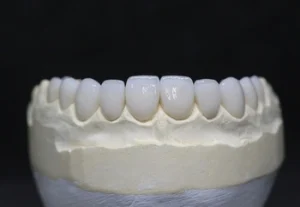
Porcelain crowns are commonly used because they are designed to resemble natural teeth.
What Happens If The Tooth Cannot Be Saved?
Sometimes the remaining tooth structure is too damaged to support another crown.
When Extraction May Be Needed
This may happen if:
- The tooth is severely cracked.
- Decay extends below the gums.
- There are not enough healthy teeth left.
- The root is damaged.
In these situations, extraction may be discussed.
Replacing A Missing Tooth
After a tooth is removed, replacement options may be considered to restore chewing function and appearance.
A dental implant may sometimes be used to replace a missing tooth. An implant supports a replacement crown without relying on nearby teeth.
The timing and suitability of implant treatment depend on the condition of the mouth and surrounding bone.
Signs The Root May Still Be Healthy
When a crown breaks off with part of the tooth attached, many people immediately assume the tooth cannot be saved. However, this is not always the case. In some situations, the remaining root underneath may still be healthy enough to support further treatment.
The condition of the root is often one of the most important factors when deciding whether the tooth can be repaired. Even if part of the visible tooth structure has broken away, the deeper portion of the tooth may still remain stable within the bone.
Signs The Root May Still Be Stable
A dentist usually looks for several signs that suggest the root may still be healthy. These can include:
- No major swelling around the gums
- Limited movement of the remaining tooth structure
- No deep fracture extending below the gums
- Healthy surrounding bone on X-rays
- Manageable discomfort rather than severe ongoing pain
In some cases, the crown may fail while the root itself remains unaffected. This can happen if the outer tooth structure weakens over time, but the lower part of the tooth remains stable.
Why Assessment Matters
It is difficult to judge the condition of the root by appearance alone. A tooth may look badly damaged from above the gums while still having enough healthy structure underneath to support repair.
X-rays are often used to check whether the root is cracked, whether infection is present, and whether enough support remains around the tooth. The dentist also checks the condition of the gums and surrounding teeth before deciding on treatment.
If the root remains healthy, treatment may involve rebuilding the tooth structure before placing a new crown. In other situations, additional support may be needed depending on how much tooth remains above the gum line.
Understanding that a broken crown does not always mean immediate tooth loss can help make the situation feel more manageable while waiting for professional assessment.
Caring For A Crowned Tooth Long Term
Good dental care helps reduce the risk of future crown problems.
Daily Habits That Help Protect Crowns
It is important to:
- Maintain good oral hygiene.
- Brush carefully around the crown margins.
- Clean between teeth regularly.
- Attend regular dental check-ups.
- Avoid chewing ice or very hard objects.
Good daily cleaning habits may help reduce the risk of decay around the crown.
Managing Teeth Grinding
If teeth grinding is contributing to repeated crown problems, a dentist may recommend ways to protect the teeth during sleep.
Reducing excessive bite pressure may help crowns and natural teeth last longer.
When To Seek Immediate Care
Some symptoms should not be ignored.
Contact A Dentist Immediately If You Notice:

- Severe pain.
- Swelling around the gums.
- Bleeding that continues.
- A badly broken tooth.
- Sharp edges injuring the tongue or mouth.
- Signs of infection.
- Difficulty biting comfortably.
If severe swelling or trauma affects breathing or swallowing, emergency room care may also be necessary.
Final Thoughts
A crown breaking off with a tooth in it can happen when the tooth underneath becomes weak, damaged, or decayed over time. Although the situation may feel stressful, many crowns and teeth can still be repaired or replaced, depending on the amount of remaining tooth structure.
Acting quickly, protecting the affected side, and arranging prompt dental care may help reduce further damage and improve the chances of successful treatment.
If you are concerned about a broken crown or would like support with protecting a damaged tooth and restoring your smile, you can book a consultation with us or call (08) 7078 8263 to discuss your situation and appropriate care options.
Note: Any surgical or invasive procedure carries risks. Before proceeding, you should seek a second opinion from an appropriately qualified health practitioner.
Resources
“Cleveland Clinic (2024). ‘Cracked Tooth (Fractured Tooth)’. Cleveland Clinic, 29 April. Cleveland, OH: Cleveland Clinic. https://my.clevelandclinic.org/health/diseases/21628-fractured-tooth-cracked-tooth”
“Kubala, J. and Warwick, K.W. (2023). ‘Soft Food Diet: Foods to Eat and Foods to Avoid’. Healthline, 15 March. San Francisco, CA: Healthline Media. https://www.healthline.com/nutrition/soft-food-diet”
“Mayo Clinic Staff (2023). ‘Cavities and Tooth Decay’. Mayo Clinic, 30 November. Rochester, MN: Mayo Foundation for Medical Education and Research. https://www.mayoclinic.org/diseases-conditions/cavities/symptoms-causes/syc-20352892”
“Colgate (2023). ‘What Is Good Oral Hygiene?’. Colgate, 9 January. New York, NY: Colgate-Palmolive Company. https://www.colgate.com/en-us/oral-health/adult-oral-care/what-is-good-oral-hygiene”