

Many people experience discomfort near the back of the mouth as wisdom teeth begin to develop. One of the most common concerns is jaw pain, especially when the pain spreads into the jaw area, ear, or surrounding muscles.
So, can wisdom teeth cause jaw pain? In many cases, yes. Wisdom teeth can place pressure on nearby structures, irritate gum tissue, and affect the way the jaw feels and functions.
This guide explains how wisdom teeth affect the mouth, why jaw pain may develop, and when professional dental care may be worth considering.
What Are Wisdom Teeth?
Wisdom teeth are the third molars found at the very back of your mouth.
They are usually the final teeth to develop and often emerge during the late teenage years or early adulthood.
Some people have no issues when wisdom teeth erupt properly. Others may experience dental problems if there is not enough room for the teeth to grow normally.
When wisdom teeth do not have enough space, they may become impacted teeth or partially erupted wisdom teeth. This can increase the chance of discomfort and oral health concerns.
How Wisdom Teeth Can Cause Jaw Pain
Jaw pain is one of the more common symptoms linked to problematic wisdom teeth.
Pressure Inside The Jaw
As wisdom teeth develop, they can create immense pressure against nearby teeth and surrounding tissues. This pressure may spread into the jaw muscles and jaw joint.
Some people notice:
- Jaw stiffness
- Sharp pain near the back of the mouth
- Persistent jaw pain during chewing
- Discomfort when opening the mouth fully
Impacted wisdom teeth can place pressure on other teeth, especially when they grow sideways or become trapped beneath the gums.
Inflammation Around The Tooth
Partially erupted wisdom teeth may leave an opening in the gum tissue where bacteria and trapped food particles collect more easily.
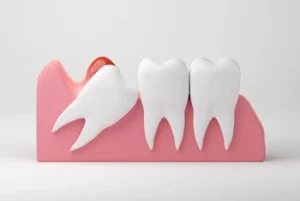 This can lead to:
- Gum infections
- Swelling around the tooth
- Persistent pain
- An unpleasant taste in the mouth
- Bad breath
Inflammation in the surrounding tissues can also contribute to pain in the jaw area.
Can Wisdom Teeth Affect The Jaw Joint?
Wisdom teeth may contribute to discomfort around the jaw joint, especially when pressure and inflammation are involved.
Understanding The Temporomandibular Joint
The temporomandibular joint links the jaw to the skull and helps support movements such as chewing and speaking.
When the jaw muscles become strained or inflamed, some people may experience:
- Clicking sensations
- Difficulty opening the mouth
- Jaw stiffness
- Pain near the ears
These symptoms are sometimes linked to TMJ disorders or TMJ issues.
How Wisdom Teeth Relate To TMJ Symptoms
Wisdom teeth can cause pressure in the back of the mouth, which may affect how the jaw moves. If the muscles around the jaw joint become irritated, discomfort can spread across the face and jaw.
However, not all jaw pain is caused by wisdom teeth. TMJ disorders and other dental issues may also contribute to similar symptoms.
A professional evaluation helps identify the root cause of the discomfort.
How Wisdom Teeth Can Affect Other Teeth
Wisdom teeth may affect more than only the area where they grow.
Pressure On Nearby Teeth
When there is not enough room in the jaw, wisdom teeth can press against nearby teeth and surrounding tissues.
This may contribute to:
- Crowding
- Pressure around other teeth
- Irritation near the gums
- Difficulty cleaning certain areas properly
In some cases, impacted wisdom teeth increase the risk of dental problems affecting the second molars nearby.
Risk Of Further Complications
If wisdom teeth continue causing pressure or infection, further complications may develop over time.
These can include:
- Gum disease
- Tooth decay around nearby teeth
- Persistent inflammation
- Ongoing discomfort during daily life
Early intervention may help reduce the chance of more serious concerns developing later.
When Wisdom Teeth Removal May Be Considered
Not everyone needs wisdom teeth removal. Some erupted wisdom teeth remain healthy and function without causing problems.
Why Removing Wisdom Teeth May Help
Removing wisdom teeth may be considered when they:
- Cause pain or persistent jaw pain
- Increase the risk of gum infections.
- Affect nearby teeth.
- Become impacted wisdom teeth.
- Trap food and bacteria repeatedly.
The decision depends on the position of the teeth, symptoms, and overall dental needs.
What To Expect During Assessment
A dentist will usually examine the teeth and take imaging to check:
- The angle of the wisdom teeth
- Whether there is enough room in the jaw
- The condition of nearby teeth
- Signs of infection or inflammation
This helps guide treatment decisions and supports optimal oral health.
Can Jaw Pain Continue After Wisdom Teeth Develop?
Some people continue to experience jaw discomfort even after wisdom teeth have fully emerged.
Other Possible Causes Of Jaw Pain
Not all jaw pain is related to wisdom teeth. Other conditions affecting the jaw joint or surrounding muscles may also contribute.
 Possible causes include:
- TMJ disorders
- Jaw muscle tension
- Teeth grinding
- Other dental issues
- Ear infections
Because several conditions can produce similar symptoms, identifying the root cause is important before deciding on treatment.
How Long Can Wisdom Tooth Jaw Pain Last?
Jaw pain linked to wisdom teeth can vary from person to person. Some people experience only short periods of discomfort as the teeth develop, while others notice symptoms that continue over a longer time.
In mild situations, discomfort may last for a few days at a time as wisdom teeth begin to erupt through the gums. The pain sometimes settles temporarily before returning again later. This can happen because the pressure and inflammation around the tooth may change as the tooth continues developing.
For partially erupted wisdom teeth, symptoms may come and go repeatedly. Food particles and bacteria can collect around the opening in the gum tissue, leading to irritation that flares up from time to time. Some people notice discomfort during chewing, while others experience stiffness in the jaw when waking up in the morning.
Impacted wisdom teeth may cause longer-lasting symptoms because the tooth remains trapped beneath the gums or pushes against nearby teeth over time. In these situations, jaw pain may continue until the pressure or inflammation is properly addressed.
The length of symptoms can also depend on whether infection or gum inflammation is involved. Swelling around the gums may increase discomfort and make it harder to open the mouth comfortably.
It is important to remember that not all wisdom tooth pain remains constant. Some people experience pain that disappears for weeks or months before returning again. This pattern can make it difficult to judge whether the problem is improving or continuing underneath the surface.
If jaw pain becomes persistent, affects daily activities, or continues returning regularly, a professional assessment may help identify the cause more clearly. Imaging and examination can help determine whether the discomfort is linked to wisdom teeth development, impaction, or another issue affecting the jaw area.
How Dental X-Rays Help Identify The Problem
Dental X-rays play an important role when wisdom teeth are causing jaw pain or discomfort. Because wisdom teeth develop at the back of the mouth and sometimes remain hidden beneath the gums, they are not always easy to assess through visual examination alone.
X-rays help show the position of the wisdom teeth inside the jaw. This allows the dentist to see whether the teeth are erupting normally, growing sideways, or becoming trapped beneath surrounding tissues.
In some cases, wisdom teeth may appear healthy from the surface while hidden pressure is developing underneath the gums. Imaging helps identify these situations before they begin causing more noticeable dental problems.
Dental X-rays may help reveal:
- Impacted wisdom teeth beneath the gums
- Pressure against nearby teeth
- Signs of crowding in the jaw
- Changes affecting the surrounding bone levels
- Areas where infection or inflammation may be developing
X-rays can also help assess how close the wisdom teeth are to nearby structures such as nerves and the jaw joint area. This information supports safer and more accurate treatment planning if wisdom teeth removal is being considered.
For people experiencing jaw pain, imaging may also help rule out other possible causes. Not all discomfort near the jaw is linked directly to wisdom teeth, and X-rays can provide a clearer understanding of what is happening inside the mouth.
The type of imaging used depends on the situation. Some assessments use standard dental X-rays, while others may involve larger scans that provide a broader view of the teeth and jaw.
Understanding what is happening beneath the gums can make treatment decisions more informed and less uncertain. Dental imaging helps identify whether wisdom teeth are contributing to pressure, inflammation, or changes affecting nearby teeth and surrounding tissues.
How To Support Jaw Health During Wisdom Tooth Problems
Good oral hygiene and regular monitoring can help support jaw health and gum health while wisdom teeth develop.
Practical Care Tips
 Helpful habits may include:
- Cleaning carefully around the back teeth
- Removing trapped food particles early
- Avoiding excessive pressure while chewing
- Monitoring swelling or persistent pain
Professional dental care may be helpful if symptoms become difficult to manage or begin affecting daily life.
Final Thoughts On Wisdom Teeth And Jaw Pain
So, can wisdom teeth cause jaw pain? In many situations, yes. Impacted wisdom teeth, partially erupted teeth, and pressure near the jaw joint can all contribute to discomfort.
Wisdom teeth can cause pain in different ways, including pressure against nearby teeth, irritation in the gum tissue, and strain around the jaw muscles. While not every case requires treatment, persistent symptoms should be assessed properly.
Understanding how wisdom teeth affect the mouth can help you recognise potential problems early and make informed decisions about your dental care.
If you are concerned about wisdom tooth pain or would like support with managing jaw discomfort and oral health concerns, you can book a consultation with us or call (08) 7078 8263 to discuss your situation and appropriate care options.
Note: Any surgical or invasive procedure carries risks. Before proceeding, you should seek a second opinion from an appropriately qualified health practitioner.
Resources
“Better Health Channel. (2022). ‘Wisdom Teeth’. Better Health Channel, 03 June. Melbourne, VIC: State Government of Victoria. https://www.betterhealth.vic.gov.au/health/conditionsandtreatments/wisdom-teeth”
“Mayo Clinic Staff. (2023). ‘Cavities and Tooth Decay’. Mayo Clinic, 30 November. Rochester, MN: Mayo Foundation for Medical Education and Research. https://www.mayoclinic.org/diseases-conditions/cavities/symptoms-causes/syc-20352892”
“Colgate. (2023). ‘What Is Good Oral Hygiene?’. Colgate, 09 January. New York, NY: Colgate-Palmolive Company. https://www.colgate.com/en-us/oral-health/adult-oral-care/what-is-good-oral-hygiene”
“Cleveland Clinic. (2025). ‘Temporomandibular Joint (TMJ) Disorders’. Cleveland Clinic, 22 July. Cleveland, OH: Cleveland Clinic. https://my.clevelandclinic.org/health/diseases/15066-temporomandibular-disorders-tmd-overview”