

Stress affects many parts of the body, but fewer people connect it to tooth pain. The link is well established. Chronic stress can trigger a chain of dental problems ranging from mild discomfort to lasting damage, often without a single visible cavity.
Understanding how stress affects your teeth and gums can help you identify the source of pain early. If you are experiencing tooth pain during a stressful period, seeking urgent dental care is the most reliable way to get a clear picture of what is happening.
During stressful periods, dental health often takes a back seat. That is often when problems are most likely to develop, and when getting ahead of them early makes the most difference.
Quick Overview
- Stress can contribute to tooth pain in several ways, from teeth grinding to changes in oral hygiene habits and immune function.
- This may apply to anyone experiencing jaw pain, increased tooth sensitivity, or dental discomfort during periods of high stress or anxiety.
- The specific mechanism matters, as different stress-related dental problems require different approaches.
- How long stress has been present and existing dental health can both influence the type of symptoms and what may be needed.
- Several signs can help identify whether tooth pain has a stress-related cause and whether it needs prompt attention.
The sections below outline how stress affects dental health, what symptoms to look out for, and when to see a dentist.
Can Stress Actually Cause Tooth Pain?
 Yes, though not always directly. Stress does not damage teeth by itself, but it triggers physical changes and behaviours that can lead to significant tooth pain. The most common pathway is teeth grinding during sleep, but stress can also weaken the immune system, reduce saliva production, cause dry mouth, and make it easier for oral infections to take hold.
The body’s perception of pain can also shift under sustained stress, making existing dental discomfort feel more intense.
Teeth Grinding: The Most Direct Link
Teeth grinding, also known as bruxism, is one of the most common ways stress causes dental problems. Many people grind their teeth during sleep without being aware of it.
The constant pressure wears down tooth enamel over time, which can leave the inner layers of the tooth exposed and sensitive. Grinding also creates significant muscle tension in the jaw muscles, which can produce a dull ache or radiating pain in the jaw, neck, and temples. In some cases, this is mistaken for a toothache when the source is muscular rather than the tooth itself.
Stress is a recognised cause of bruxism, and treatment options include wearing a night guard or bite splint to protect the teeth while sleeping. A dentist can assess the extent of any enamel wear and recommend whether a mouth guard is appropriate.
How Stress Affects Your Gums
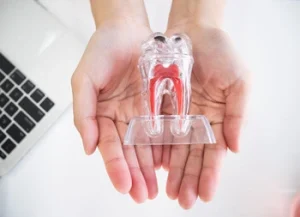 Stress does not only affect the teeth. It affects the gums too. The immune system plays a key role in keeping oral bacteria in check, and sustained stress can suppress immune function, making the gums more vulnerable to infection.
Gum disease develops when bacteria accumulate along the gum line, leading to inflammation, swollen gums, bleeding, and, eventually, damage to the tissues and bone that support the teeth. Stress-related neglect of oral hygiene, combined with a weakened immune response, can allow gum disease to progress more quickly and become harder to reverse.
Stress can also cause canker sores to develop on the soft tissue inside the mouth.
Other Ways Stress Can Damage Your Teeth
Beyond grinding and gum disease, stress affects dental health in several other ways.
Dry mouth caused by stress reduces the amount of saliva available to neutralise acids and wash away food particles. This can accelerate tooth decay and contribute to bad breath. Some people also clench their jaw during the day under stress, even without grinding, which places sustained pressure on the teeth and jaw muscles.
Reaching for sugary or acidic foods during stressful periods can further increase the risk of enamel erosion and decay. Poor sleep, which often accompanies high stress, is also linked to more frequent teeth grinding.
When to See a Dentist
Stress-related tooth pain can be easy to dismiss, particularly if there is no obvious visible cause. However, the underlying damage can progress quietly.
See a dentist if you notice jaw pain or soreness on waking, increased tooth sensitivity, worn or flat-looking teeth, swollen or bleeding gums, or persistent facial tension. These can all indicate stress-related dental problems that need assessment.
The Australian Dental Association recommends that people experiencing dental pain or oral discomfort be assessed by a dentist promptly to prevent further damage. Early intervention generally gives a dentist more options, whether that involves a night guard, treatment for gum disease, dental fillings for decay, or other care.
Getting Help When It Matters
 Stress is unavoidable at times, but its effects on your teeth do not have to be permanent. Managing stress through exercise, breathing exercises, and enough sleep can all support oral health alongside a consistent oral hygiene routine.
When tooth pain does appear, getting a professional assessment is the clearest path forward. Waiting tends to allow the underlying cause to worsen.
Tooth pain that stems from stress is worth taking seriously. Our team sees patients seven days a week, including public holidays. Call (08) 7078 8263 or get in touch online, and we will help you find the cause.
Frequently Asked Questions
Can anxiety cause a toothache even if nothing is wrong with the tooth?
Yes. Anxiety and sustained stress can heighten the body’s perception of pain, making existing minor dental sensitivity feel more significant. Stress-related jaw clenching and muscle tension can also produce aching that feels like a toothache but originates in the jaw muscles rather than the tooth itself. A dentist can help determine the source.
When does stress-related tooth pain need urgent dental attention?
Seek same-day care if you notice facial swelling, severe pain that does not settle, difficulty opening your mouth, or any signs of infection such as a persistent bad taste in the mouth or fever. These can indicate a more serious problem that goes beyond stress-related sensitivity.
Note: Any surgical or invasive procedure carries risks. Before proceeding, you should seek a second opinion from an appropriately qualified health practitioner.
References
Australian Dental Association. (2024). ‘Policy Statement 2.2.5 – Prevention and Management of Oral Injuries’. Australian Dental Association, April. St Leonards, NSW: Australian Dental Association. https://ada.org.au/policy-statement-2-2-5-prevention-and-management-of-oral-injuries
Department of Health & Human Services. (n.d.). ‘Teeth grinding’. Better Health Channel. Melbourne, VIC: Department of Health, State Government of Victoria. https://www.betterhealth.vic.gov.au/health/conditionsandtreatments/teeth-grinding
Healthdirect Australia. (n.d.). ‘Gum disease’. Healthdirect Australia. Canberra, ACT: Healthdirect Australia. https://www.healthdirect.gov.au/gum-disease