

If you are asking yourself, “Why do my bottom teeth hurt?” You are not alone. Tooth pain in the lower teeth can feel confusing, especially when the discomfort seems to come and go or affects multiple teeth at once. Some people notice a dull ache, while others experience sharp pain, sudden sensitivity, or throbbing pain that makes it hard to eat or sleep.
This guide explains the most common reasons bottom teeth hurt, how to recognise different types of pain, and when it is important to see a dentist. Understanding the underlying cause can help you take the right steps toward professional treatment and long-term relief.
Understanding Pain in the Bottom Teeth
The lower teeth sit in the lower jaw and share nerves, bone, and soft tissue with nearby structures such as the gums, jaw joint, and even the ears. Because of this, pain does not always start exactly where you feel it. Referred pain can make dental problems feel like jaw problems, ear pain, or even sinus discomfort.
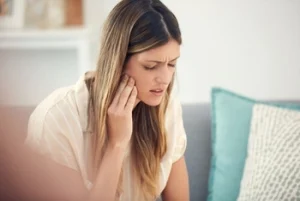 Bottom teeth pain can affect:
- One tooth
- Multiple teeth
- Back teeth or front teeth
- The entire lower jaw
Pain may feel constant or may only appear when you bite, chew, breathe in cold air, or eat cold foods.
Common Reasons Why Bottom Teeth Hurt
Several dental and jaw-related issues can cause pain in lower teeth.
Tooth Sensitivity and Enamel Erosion
Tooth sensitivity is one of the most common reasons teeth hurt. When tooth enamel becomes thin or damaged, the dentin underneath is exposed. This dentin underneath contains tiny channels that lead to the tooth root and nerve tissue.
Enamel erosion can happen due to:
- Acidic foods and citrus fruits.
- Frequent exposure to acidic drinks.
- Enamel wear from teeth grinding.
- Poor brushing technique.
When dentin underneath is exposed, cold air, cold foods, or sweet foods can cause sudden sensitivity or shooting pain.
Using a soft brush or soft-bristle toothbrush and a desensitising toothpaste can help manage teeth sensitive to temperature, but professional treatment may still be needed.
Gum Recession and Exposed Tooth Roots
Gum recession occurs when the gums pull away from the teeth, exposing the tooth root. The root surface does not have protective enamel, which makes it highly sensitive.
Exposed tooth roots can cause:
- Sharp pain when brushing
- Pain when you bite
- Sensitivity to cold air
- A dull ache that worsens over time
Gum disease is a frequent cause of gum recession, though hard-brushing habits and an uneven bite may also play a role.
If left untreated, exposed root surfaces can lead to dental issues that require professional care.
Gum Disease and Dental Abscess
Gum disease can damage the tissues that hold the teeth in place and may cause lower teeth pain even when the teeth look healthy. Early signs include bleeding gums and bad breath, while advanced gum disease can lead to severe pain and noticeable swelling around the gums.
In more serious cases, infection can develop into a tooth abscess or dental abscess. This happens when bacteria reach deep into the tooth or gum tissue, causing a pocket of infection.
Signs of an abscess include:
- Throbbing pain
- Swelling in the lower jaw
- Bad breath or a bad taste
- Fever or general discomfort
A dental abscess requires urgent professional treatment and should never be ignored.
Tooth Decay, Cracked Teeth, and Chipped Teeth
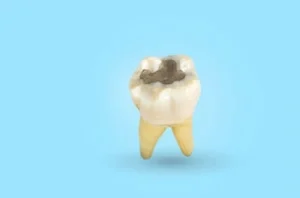
Tooth decay can compromise the strength of the tooth and trigger pain during chewing or biting. If decay reaches the dentin or damaged nerve tissue, pain may become constant or severe.
A cracked tooth or chipped tooth can also cause bottom teeth to hurt, especially if the crack reaches the tooth root. Pain may be sharp, come on suddenly, or appear only when pressure is applied.
Common signs include:
- Pain when you bite
- Sensitivity to cold foods
- Sudden pain that disappears quickly
Dental bonding is sometimes used for minor chips, but more serious damage may require a root canal or other dental procedure.
Nerve Damage
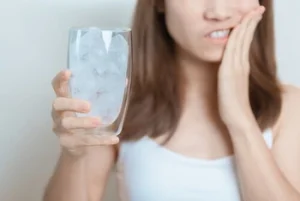 When decay or trauma reaches the tooth pulp, the nerve within the tooth may become irritated or develop an infection. This often causes severe pain, shooting pain, or a deep, dull ache.
Root canal therapy involves removing affected nerve tissue to ease pain while keeping the natural tooth intact. If left untreated, the infection can progress and lead to additional dental complications.
People may confuse root canal pain with general tooth pain, but ongoing throbbing pain is often a sign that professional treatment is needed.
Wisdom Teeth and Back Teeth Pain
Wisdom teeth commonly cause pain in the lower teeth, especially when they are erupting, impacted, or difficult to clean. Pain may be felt near the back teeth, but it can radiate forward.
Wisdom teeth problems can cause:
- Sore jaw
- Swelling near the lower jaw
- Pain that spreads to the ear
Even upper back teeth can cause referred pain that feels like it comes from the lower teeth.
Teeth Grinding and Uneven Bite
Teeth grinding, especially at night, places excess pressure on the lower teeth and jaw. With time, this pressure may wear away tooth enamel, stress the tooth root, and result in discomfort affecting multiple teeth.
An uneven bite can also lead to uneven pressure being placed across the teeth. This extra force may lead to:
- Cracked teeth
- Jaw problems
- Tooth sensitivity
- Dull ache in the lower teeth
Grinding is often linked to stress and TMJ disorders involving the temporomandibular joint.
TMJ Disorders and Jaw Problems
TMJ disorders involve the temporomandibular joint, the hinge that links the jawbone to the skull. Problems in this joint can cause pain that feels like it comes from the bottom teeth.
Symptoms may include:
- Jaw problems or jaw clicking
- Sore jaw
- Ear pain
- Headaches
- Pain in the lower jaw
Because TMJ pain is often referred pain, it can be mistaken for dental pain even when the teeth themselves are healthy.
Sinus Infections and Nasal Congestion
Although sinus infections are more commonly linked to upper teeth, severe nasal congestion can sometimes cause pressure that affects both upper and lower teeth.
This type of discomfort often feels like a dull ache rather than sharp pain and may worsen when bending forward.
Different Types of Bottom Teeth Pain
Understanding how pain feels can help identify the underlying cause.
- Sharp pain: Often linked to cracks, exposed dentin, or sensitivity
- Throbbing pain: May indicate infection or abscess
- Dull ache: Can be related to grinding, jaw problems, or referred pain
- Sudden pain: Often triggered by temperature or biting
- Pain when you bite: May point to a cracked tooth or uneven bite
Pain may affect one tooth or multiple teeth at the same time.
When Bottom Teeth Pain Is Serious
You should see a dentist asap if you experience:
- Severe pain that does not settle.
- Noticeable swelling in the gums or face.
- Fever or signs of infection.
- Pain that travels toward the ear or along the jaw.
- Pain that gets worse when left untreated.
Delaying care can allow dental issues to worsen and may require more complex treatment later.
What You Can Do at Home (Short-Term Relief)
Home care may provide temporary comfort, but it is not a cure.
Helpful steps include:
- Using a soft brush and good oral hygiene habits
- Switching to a desensitising toothpaste
- Avoiding acidic foods and citrus fruits
- Rinsing with warm salt water (a natural disinfectant)
- Avoiding chewing on the sore side
These steps may help manage pain, but are only a temporary measure.
Professional Treatment Options
Professional treatment depends on the cause of pain and may include:
- Dental bonding for chips
- Root canal treatment for infected teeth
- Gum treatment for gum disease
- Bite adjustment for an uneven bite
- Treatment for TMJ disorders
A dentist can identify the underlying cause and recommend the appropriate option.
Preventing Future Bottom Teeth Pain
Long-term prevention focuses on protecting teeth and gums.
 Key habits include:
- Maintaining good oral hygiene
- Using a soft-bristle toothbrush
- Attending regular dental visits
- Managing teeth grinding with professional guidance
- Treating dental problems early
These steps support healthy teeth and reduce the risk of future pain.
Final Thoughts: Why Do My Bottom Teeth Hurt?
So, why do my bottom teeth hurt? The answer depends on many factors, from tooth sensitivity and gum recession to cracked teeth, infections, or jaw problems. Pain may come from the teeth themselves or be referred pain from nearby structures.
Because tooth pain can signal serious dental issues, it is important not to ignore ongoing discomfort. Early assessment by a dentist helps protect your oral health and prevents small problems from becoming more complex.
If your bottom teeth hurt and the pain persists, seeking professional treatment is the appropriate way to find relief and protect your smile.
If you are concerned about ongoing bottom teeth pain or want clarity on what may be causing the discomfort, you can book a consultation or call (08) 7078 8263.
Note: Any surgical or invasive procedure carries risks. Before proceeding, you should seek a second opinion from an appropriately qualified health practitioner.
Resources
Stang, D. (2018). ‘Root Canal’. Healthline, 25 May. San Francisco, CA: Healthline Media.
https://www.healthline.com/health/root-canal
Mayo Clinic Staff (2024). ‘Teeth grinding (bruxism)’. Mayo Clinic, 27 December. Rochester, MN: Mayo Foundation for Medical Education and Research.
https://www.mayoclinic.org/diseases-conditions/bruxism/symptoms-causes/syc-20356095
Cleveland Clinic (2023). ‘Periodontal Disease (Gum Disease)’. Cleveland Clinic, 4 October. Cleveland, OH: Cleveland Clinic Foundation.
https://my.clevelandclinic.org/health/diseases/21482-gum-periodontal-disease
Morgan, K. K. (2025). ‘Tooth Enamel Erosion and Restoration’. WebMD, 7 October. New York, NY: WebMD LLC.
https://www.webmd.com/oral-health/tooth-enamel-erosion-restoration