

Few things are more distressing than seeing your child in pain. When a child complains about tooth pain, it can be upsetting, confusing, and urgent all at once. A sore tooth can make it hard for children to eat, sleep, or focus, and for very young children, it may be difficult for them to explain exactly what hurts.
This guide explains kid toothache pain relief in clear, practical terms. It covers common causes of a child’s toothache, safe ways to manage discomfort at home, what provides temporary relief, and when it is important to seek professional dental care. Knowing how to respond calmly and appropriately can protect your child’s dental health and help prevent future toothaches.
Understanding Toothache Pain in Children
Toothache pain in children can range from mild sensitivity to persistent pain that affects daily life. In many cases, the pain starts suddenly and may get worse over time if the cause is not addressed.
A child’s toothache can be caused by several issues, including:
- Tooth decay affecting the tooth enamel.
- Food particles trapped between teeth.
- Swollen gums or early gum disease.
- A broken tooth from a fall or injury.
- Irritation around an affected tooth
Sometimes pain is limited to one sore area, while in other cases it can spread to the child’s cheek or jaw. If pain persists or becomes worse, it may signal a deeper dental problem that needs proper treatment.
Signs Your Child May Have a Toothache
Children may not always say “my tooth hurts.” Instead, parents often notice behaviour changes that suggest a child’s discomfort.
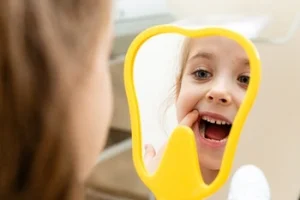 Common signs include:
- Your child complains when chewing or biting.
- Refusing hot or cold foods.
- Touching or rubbing the affected area.
- Crying more than usual, especially at night.
- Pain in children that seems to come and go.
For very young children, toothache pain may show up as irritability, trouble sleeping, or avoiding food altogether.
Why Toothaches Should Not Be Ignored
While some tooth pain may start mild, ignoring it can allow problems to worsen. Tooth decay does not heal on its own, and untreated dental pain can affect a child’s oral health and overall well-being.
Persistent pain may indicate:
- Worsening decay reaching deeper blood vessels
- Infection causing inflammation
- Damage to the surrounding gums
- Risk to the child’s dental health in the long term
Early action helps reduce swelling, limit discomfort, and protect healthy smiles as children grow.
Safe Home Care for Kids’ Toothache Pain Relief
Parents often want immediate pain relief when a child has a sore tooth. While home remedies can help manage discomfort, it is important to understand that they are only a temporary solution.
Rinsing With Warm Salt Water
A mild rinse with warm salt water can help clean the mouth and clear food particles from around the affected tooth. This may reduce irritation and provide temporary relief.
For older children who can spit safely, warm salt water can be used once or twice a day. This is a simple temporary solution, not a cure.
Applying a Cold Compress
A cold compress applied to the outside of the child’s cheek can help reduce inflammation and ease discomfort. Always wrap the cold pack in a cloth and apply it gently for short periods.
Applying a cold compress can help lessen swelling in the affected area and provide gentle relief.
Using a Soft-Bristled Toothbrush
Brushing with a soft-bristle toothbrush helps clean the sore area without causing further irritation. Gentle brushing removes trapped food and supports oral hygiene even when the mouth feels sensitive.
Using fluoride toothpaste is important, as fluoride helps protect tooth enamel and supports dental health.
Pain Relief Options for Children
In some cases, a pain reliever suitable for the child’s age may be used for short-term comfort. Always follow dosage instructions carefully and avoid mixing medications.
Pain relief products should be viewed as only a temporary solution. If pain persists or worsens over time, it is important to book a dental appointment.
Parents should never apply adult medications directly to the gums or affected tooth, as this can cause harm.
When Toothache Pain Signals a Bigger Problem
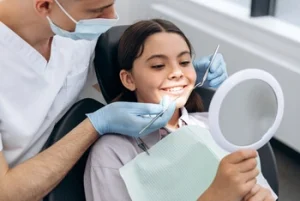 Tooth pain that does not improve may signal the need for professional dental care. Warning signs include:
- Persistent pain lasting more than a day.
- Swollen gums or visible redness.
- Pain spreading to the jaw or face.
- Sensitivity to temperature or pressure.
- A child’s discomfort affecting sleep or eating.
These signs indicate that it is time to seek professional dental care instead of relying on home remedies.
The Role of Professional Dental Care
A dentist can determine the cause of a child’s toothache and recommend appropriate treatment. Dental services for children are designed to be gentle and age-appropriate.
Professional dental care may involve:
- Treating tooth decay early
- Managing gum disease
- Addressing a broken tooth safely
- Providing fluoride treatments to strengthen enamel
Early dental treatment helps prevent pain in children from becoming a long-term issue.
Why Temporary Relief Is Not Enough
Many home methods provide temporary relief, but they do not fix the underlying problem. Toothaches often return if the cause is not treated.
This is why managing discomfort at home should always be paired with a plan to see a dentist if pain persists.
Supporting Your Child’s Dental Health Long Term
Preventing future toothaches starts with everyday habits. Good oral hygiene plays an important role in keeping children’s teeth healthy.
Key habits include:
- Brushing twice daily with fluoride toothpaste.
- Choosing age-appropriate oral care products that are comfortable for your child to use.
- Helping children maintain a clean mouth between brushes, especially after snacks or meals.
- Scheduling regular dental check-ups.
These steps support oral health and reduce the risk of tooth decay and gum problems.
Helping Children Cope With Dental Pain
Children may feel scared or anxious when experiencing dental pain. Staying calm, explaining what is happening in simple terms, and offering reassurance can help manage discomfort emotionally as well as physically.
Simple actions like holding a child, offering soft foods, and keeping routines gentle can ease discomfort while you arrange professional care.
How Toothache Pain Can Affect a Child’s Behaviour and Development
Toothache pain can affect more than a child’s teeth. Ongoing dental discomfort may influence behaviour, eating habits, sleep, and daily functioning, particularly when pain lasts longer than expected.
Behaviour and Emotional Changes
When a child experiences dental pain, their body remains under ongoing stress. This can lead to changes such as irritability, low mood, or increased emotional sensitivity. Some children become more clingy, while others may withdraw or struggle to regulate emotions. These behavioural shifts are often subtle but can be early signs that discomfort is affecting overall wellbeing.
Concentration and Learning
Pain can make it difficult for children to focus during the day. School-aged children may find it harder to concentrate, participate in class, or stay engaged with learning activities. Even mild but persistent tooth pain can reduce attention span and confidence, especially if the child is distracted by discomfort.
Eating Habits and Nutrition
A sore tooth often changes how a child eats. Children may avoid chewing on one side of the mouth or refuse foods that are harder to bite. Over time, this can limit food variety and affect nutrition, particularly if pain leads to avoiding healthy foods that require more chewing.
Final Thoughts
 Kid toothache pain relief is about balancing comfort with care. While home remedies and simple steps can help ease discomfort, they are not a substitute for proper treatment.
Understanding the cause of tooth pain, responding early, and knowing when to seek professional dental care protects your child’s dental health now and in the future. With good oral hygiene, regular dental check-ups, and timely support, many toothaches can be prevented before they start.
If you’re concerned about your child’s toothache or want clarity on what’s causing their dental discomfort, a calm, professional assessment can help. You can book a consultation or call (08) 7078 8263.
Resources
Kubala, J. (2023). ‘Soft Food Diet: Foods to Eat and Foods to Avoid’. Healthline, updated 15 March. San Francisco, CA: Healthline Media.
https://www.healthline.com/nutrition/soft-food-diet
Mayo Clinic Staff (2024). ‘What Causes Sensitive Teeth, and How Can I Treat Them?’. Mayo Clinic, 19 June. Rochester, MN: Mayo Foundation for Medical Education and Research.
https://www.mayoclinic.org/healthy-lifestyle/adult-health/expert-answers/sensitive-teeth/faq-20057854
Watson, S. (2024). ‘Gingivitis and Periodontal Disease (Gum Disease)’. WebMD, 9 February. New York, NY: WebMD Health Corp.
https://www.webmd.com/oral-health/gingivitis-periodontal-disease
Colgate Editorial Team (2023). ‘What Is Good Oral Hygiene?’. Colgate, 9 January. New York, NY: Colgate-Palmolive Company.
https://www.colgate.com/en-us/oral-health/adult-oral-care/what-is-good-oral-hygiene
Note: Any surgical or invasive procedure carries risks. Before proceeding, you should seek a second opinion from an appropriately qualified health practitioner.