

A tooth abscess with no pain can be difficult to understand. Many people associate an abscessed tooth with severe pain, so when discomfort is minimal or absent, it is often mistaken for a minor issue. In reality, an abscess without pain may still signal an ongoing infection that requires care.
This guide explains how a dental abscess can exist without pain, why this happens, what risks may be involved, and when to see your dentist. Understanding the signs can help protect your dental health and prevent complications.
What Is a Dental Abscess?
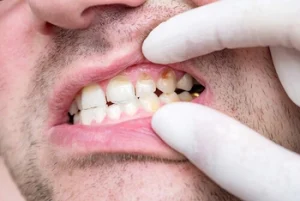 A dental abscess is a pocket of pus that forms as a result of a bacterial infection. It develops when bacteria enter the tooth or surrounding gum tissue and trigger the body’s immune response. White blood cells move to the area to fight the infection, and as tissue breaks down, fluid accumulates and an abscess forms.
A dental abscess is a sign of underlying dental disease and should not be ignored. Even when discomfort is limited or absent, the infection can still affect nearby teeth, gum tissue, and supporting structures.
Understanding how an abscess forms helps explain why symptoms can vary and why professional assessment is important.
Can You Have a Tooth Abscess With No Pain?
Yes. A tooth abscess with no pain is possible and not uncommon. While many abscesses cause throbbing pain, others develop with little discomfort, particularly in the early stages or under specific conditions.
A tooth abscess with no pain does not mean the infection is harmless or resolved. In some cases, pressure within the abscess has reduced, or the tooth’s nerve has already been affected, which can limit pain signals even while infection remains.
Why a Tooth Abscess May Not Hurt
Several factors can explain why an abscessed tooth does not cause pain.
Nerve Damage in the Tooth
If tooth decay or infection destroys the dental pulp, the nerves inside the tooth may no longer respond. Once this happens, pain signals may not be felt even though the infection remains active.
Slow-Developing Infection
Some infections progress slowly. The abscess forms gradually, allowing pressure to drain slightly through surrounding tissues. This can reduce discomfort while the infection continues to spread.
Drainage Through Gum Tissue
In some cases, a gum abscess or periodontal abscess may release a few drops of fluid through a small opening in the gums. This drainage lowers pressure and can mask pain.
Types of Tooth Abscesses That May Cause Little Discomfort
Understanding the different abscess types helps explain why pain levels vary.
Periapical Abscess
A periapical abscess starts at the tooth’s root and is often linked to dental decay or prior dental work. Pain may be mild or absent if the tooth pulp is no longer functioning.
Periodontal Abscess
A periodontal abscess forms in the gum pocket around an affected tooth. It is commonly associated with gum disease and poor oral hygiene. Pain may come and go or feel like mild pressure rather than sharp pain.
Gingival Abscess
A gingival abscess affects only the gum tissue. It may result from trapped food, poor dental hygiene, or irritation. These abscesses may not cause tooth pain at all.
Common Causes and Risk Factors
Several factors increase the risk of developing a tooth abscess, even without pain.
- Tooth decay that reaches deep layers of the tooth
- Poor oral hygiene
- Gum disease affecting teeth and gums
- Dry mouth, which reduces the protective effect of saliva
- Prior dental work that allows bacteria to enter
- A weakened immune system
- Poor dental care or irregular dental visits
Understanding these risk factors helps with prevention.
Signs That May Appear Without Pain
Even without pain, other signs may indicate that an abscess forms or infection has spread:
- Facial swelling or mouth swelling
- Swollen lymph glands or tender lymph nodes
- Bad taste or odour in the mouth
- Red, swollen gum tissue
- Sensitivity around the affected tooth
- A feeling of pressure in the upper jaw
In rare cases, symptoms like difficulty swallowing or difficulty breathing may occur, which require urgent care.
How Dentists Diagnose a Tooth Abscess
A dentist will assess symptoms, examine the teeth and gums, and may use X-rays to identify infection near the tooth’s root or gum pockets. Even when pain is absent, imaging often reveals hidden infection.
Early diagnosis supports safer and simpler treatment.
Tooth Abscess Treatment Options
Tooth abscess treatment depends on the type and severity of infection.
Root Canal Treatment
Root canal treatment removes infected pulp from inside the tooth. The space is cleaned, sealed, and protected to stop the bacterial infection. This is commonly used for periapical abscesses.
Drainage of the Abscess
If pus has accumulated, the dentist may create a small opening or use a small rubber drain to release pressure and fluid. Sometimes only a few drops are released, but this still helps reduce infection.
Gum Treatment
For periodontal or gingival abscesses, cleaning the gum pocket and addressing gum disease is essential.
Tooth Removal
In some cases, when the tooth cannot be saved, removal may be necessary to stop infection.
Antibiotics may be prescribed when infection has spread or systemic signs are present, but they do not replace dental treatment.
When to See Your Dentist
You should seek treatment and see your dentist as soon as possible if you notice:
- Swelling in the mouth or face
- A bad taste that does not go away
- Signs of infection, even without pain
Prompt care helps prevent serious complications.
Preventing Tooth Abscesses
While not all abscesses can be prevented, good habits reduce risk.
Ways to prevent tooth abscesses include:
- Maintaining good oral hygiene.
- Brushing with a soft toothbrush.
- Using a fluoride mouth rinse or a fluoride mouth product.
- Managing dry mouth.
- Attending regular dental check-ups.
- Treating tooth decay early.
These steps support long-term oral and dental health.
What Happens If a Tooth Abscess Is Left Untreated?
An untreated dental abscess does not resolve on its own. Even if pain never develops, infection can continue beneath the surface and spread into nearby tissues. Because symptoms may remain subtle, the condition can progress unnoticed for some time.
As the infection advances, it may affect surrounding teeth, gum tissue, and the jawbone. Damage to supporting structures can weaken tooth stability and increase the risk of tooth loss. In some cases, infection may extend into the facial spaces or the sinus area, particularly in the upper jaw.
Beyond the mouth, bacteria from an abscess can enter blood vessels and place strain on the immune system. This may lead to wider health complications, especially in people with existing medical conditions or reduced immune response. Swollen lymph nodes, facial swelling, and general illness can develop as the body attempts to contain the infection.
In rare cases, a severe dental abscess can contribute to serious systemic infection. Difficulty swallowing, difficulty breathing, or rapid swelling requires urgent medical attention.
Early dental care allows infection to be managed before it causes extensive tissue damage or affects overall health. Addressing a tooth abscess promptly is usually simpler, more predictable, and helps protect both oral and general wellbeing.
How Tooth Abscesses Are Sometimes Found Without Symptoms
Not all tooth abscesses are discovered because of pain or visible swelling. In some cases, an abscess is identified during a routine dental visit or when investigating a different concern.
Dentists may notice subtle signs during an examination, such as changes in gum tissue, deep pockets around a tooth, or abnormal findings on dental X-rays. These signs can point to infection beneath the surface, even when the person feels well.
Incidental Findings During Dental Visits
A tooth abscess may be detected when:
- X-rays show bone changes near a tooth’s root
- Gum measurements reveal deep periodontal pockets
- A tooth responds abnormally to vitality testing
- There is unexplained swelling or redness in a localised area
Because abscesses can develop slowly, the body may adapt to the infection for a period of time. This can delay noticeable symptoms, allowing the condition to progress quietly.
Why This Matters for Long-Term Dental Health
When abscesses are found incidentally, treatment can often begin earlier. Early intervention may reduce the extent of infection and help preserve the affected tooth or surrounding structures.
In contrast, abscesses that remain undetected for long periods may lead to more complex treatment needs. Infection can weaken bone support, affect nearby teeth, or place strain on the immune system over time.
The Role of Regular Dental Monitoring
 This is why regular dental care plays an important role in oral health, even when no pain is present. Routine check-ups allow dentists to monitor subtle changes that may not cause symptoms initially.
For people with prior dental work, gum disease, dry mouth, or reduced immune response, monitoring is particularly important. These factors can increase the likelihood of infection developing without obvious warning signs.
Early detection supports safer treatment decisions and helps protect long-term dental and overall health.
Bringing It All Together
A developing infection in the tooth can be present along with a tooth abscess. No pain might be noticed at first, but the infection can continue quietly, especially if nerve damage has occurred or pressure has been reduced.
Seeing a dentist, addressing risk factors, and maintaining good oral health habits are essential steps. Early treatment protects your teeth, gums, and overall well-being.
If you’re concerned about changes in your teeth or gums that may indicate an abscess, book a consultation or call (08) 7078 8263.
Note: Any surgical or invasive procedure carries risks. Before proceeding, you should seek a second opinion from an appropriately qualified health practitioner.
Resources
Stang, D. (2018). ‘Root Canal’. Healthline, 25 May. San Francisco, CA: Healthline Media.
https://www.healthline.com/health/root-canal
Watson, S. (2024). ‘Gingivitis and Periodontal Disease (Gum Disease)’. WebMD, 09 February. New York, NY: WebMD LLC.
https://www.webmd.com/oral-health/gingivitis-periodontal-disease
Cleveland Clinic Editorial Team (2023). ‘Cavities’. Cleveland Clinic, 27 March. Cleveland, OH: Cleveland Clinic.
https://my.clevelandclinic.org/health/diseases/10946-cavities
Colgate Oral Care Team (2023). ‘What Is Good Oral Hygiene?’. Colgate, 9 January. New York, NY: Colgate-Palmolive Company.
https://www.colgate.com/en-us/oral-health/adult-oral-care/what-is-good-oral-hygiene