

A broken tooth can be painful, worrying, and disruptive to daily life. In some cases, repair is possible, but when damage is significant, broken tooth extraction may be the most appropriate treatment. Understanding why extraction is recommended, how the dental procedure works, and what to expect during recovery can make the experience less stressful and help protect your overall oral health.
This comprehensive guide explains broken tooth extraction in simple terms. It covers when tooth extraction is needed, the difference between simple and surgical extraction, how dentists manage pain and healing, and what happens after the tooth is removed.
What Is Broken Tooth Extraction?
Broken tooth extraction is the removal of a damaged tooth that cannot be saved with other dental care. A broken tooth may crack below the gum line, split into multiple pieces, or suffer extensive damage to the tooth root.
Dentists always aim to preserve the natural tooth where possible. However, when repair is no longer viable, tooth removal becomes the only option to relieve pain, prevent infection, and protect surrounding gums and bone.
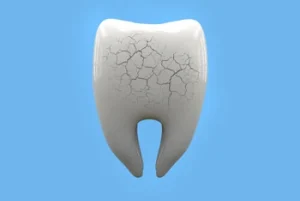 Extraction may be recommended due to:
- Severe tooth decay
- A fracture extending into the tooth root
- Advanced gum disease or periodontal disease
- Trauma causing extensive damage
- An extracted tooth that cannot be restored safely
When Is Tooth Extraction Necessary?
Not every broken tooth requires extraction. The need for a tooth extraction procedure depends on several factors, including how much of the entire tooth remains and whether infection is present.
Extraction may be advised if:
- The tooth has fractured below the gum line.
- The tooth root is damaged or infected.
- There is severe pain that cannot be managed with other treatments.
- Root canal therapy is not suitable.
- The tooth cannot support a crown or filling.
- Periodontal disease has weakened the tooth’s support.
In some situations, patients need a tooth removed to prevent further damage to neighbouring teeth and to maintain overall oral health.
Simple Tooth Extraction vs Surgical Extraction
There are two primary types of dental extraction: simple extraction and surgical extraction. The approach depends on how accessible the tooth is.
Simple Tooth Extraction
A simple tooth extraction is performed when the tooth is fully visible above the gum line. General dentists commonly perform this procedure in the dentist’s office using specific instruments to loosen and remove the tooth gently.
This approach is often used when:
- The tooth is intact but damaged.
- There is minimal resistance from the surrounding bone.
- The entire tooth can be grasped easily.
Surgical Tooth Extraction
Surgical extraction is needed when the tooth is broken at or below the gum line or when access is restricted. This includes surgical tooth extraction for impacted wisdom teeth or teeth with fractured roots.
During a surgical procedure:
- A small incision may be made in the gums.
- The tooth may be removed in sections.
- Excessive force is avoided to protect the surrounding bone.
This approach helps manage complex extractions carefully, reducing the risk of complications and supporting smoother healing.
 Broken Tooth Extraction and Wisdom Teeth
 Broken Tooth Extraction and Wisdom Teeth
Wisdom teeth are commonly associated with surgical extraction, especially when an impacted wisdom tooth breaks or causes severe pain. Wisdom teeth may fracture due to decay, pressure, or limited space.
Impacted wisdom teeth often require oral surgery because they may be partially or fully enclosed beneath the gums. Removing them can reduce pain, swelling, and the risk of infection.
What Happens During the Tooth Extraction Procedure?
A tooth extraction procedure is carefully planned to minimise discomfort and promote healing.
Before the Procedure
- The dentist reviews X-rays to assess the tooth root and surrounding bone.
- Your dental health and medical history are checked.
- A local anaesthetic is used to numb the affected area.
During the Procedure
- The dentist loosens the tooth using controlled movement.
- For surgical extraction, a small incision may be made.
- The tooth extracted may be removed in pieces if needed.
- A protective blood clot develops within the extraction site.
The goal is safe tooth removal while protecting the gums and bone.
Pain, Discomfort, and Swelling After Extraction
Some pain, discomfort, and swelling are common after extraction, particularly following surgical extraction. Most discomfort peaks within the first 48 hours and then gradually improves.
Ways to manage pain and swelling include:
- Applying an ice pack to reduce swelling
- Resting and avoiding strenuous activity
- Using prescribed or recommended pain relief
- Avoiding alcohol during early healing
Severe pain that worsens instead of improving should be reviewed by a dentist.
Protecting the Blood Clot and Promoting Healing
A blood clot develops in the extraction site to protect the bone and nerves underneath. Protecting this clot is essential to prevent complications.
- Avoid vigorous rinsing during the first 24 hours.
- Do not drink through a straw.
- Avoid hot drinks and hot foods initially.
- Eat soft foods such as yoghurt, soup, and mashed vegetables.
- Avoid smoking.
Warm salt water rinses may be introduced gently after the first day to help keep the area clean and prevent infection.
Preventing Infection After Tooth Extraction
Preventing infection is a key part of recovery. The extraction site should remain clean without disturbing the clot.
Good post-extraction dental care includes:
- Gentle brushing around the gums with a soft toothbrush.
- Avoiding the affected area when cleaning initially.
- Following the instructions provided by the dentist.
- Monitoring for signs of infection, such as worsening pain, swelling, or discharge.
Prompt dental care reduces the risk of complications and supports overall oral health.
Eating and Drinking After Extraction
Diet plays an important role in recovery.
Recommended tips:
- Eat soft foods for the first few days.
- Avoid hard, crunchy, or sticky foods.
- Avoid hot foods and drinks initially.
- Stay hydrated.
Eating soft foods helps protect the extraction site and reduces discomfort during chewing.
Tooth Replacement After Extraction
Once healing begins, many patients ask about replacing the extracted tooth. Replacement options depend on location, bone condition, and overall dental health.
Common options include:
- Dental implants to replace a missing tooth
- Bridges or partial dentures, depending on needs
Dental implants are often considered a long-term solution, but replacement planning usually occurs after healing is complete.
Broken Tooth Extraction and Overall Oral Health
Removing a severely damaged tooth can improve overall oral health by eliminating infection, reducing pain, and protecting nearby teeth and gums.
Leaving a broken tooth untreated may lead to:
- Spread of infection
- Gum disease progression
- Bone loss around the tooth root
- Ongoing pain and swelling
Appropriate treatment supports long-term dental health and comfort.
 When to Seek Professional Advice
 When to Seek Professional Advice
You should see a dentist promptly if you experience:
- Severe pain from a broken tooth.
- Swelling that does not improve.
- Signs of infection.
- Difficulty eating or speaking.
Early assessment helps determine whether extraction is necessary or if another dental procedure may be suitable.
Role of the Dentist
Dentists manage many simple extraction cases and also assess more complex situations, such as surgical extraction or impacted wisdom tooth removal, to determine the most appropriate treatment approach.
The Australian Dental Association supports evidence-based dental care and patient-centred treatment planning, ensuring that extraction is recommended only when appropriate.
Final Thoughts: Is Broken Tooth Extraction the Right Choice?
Broken tooth extraction is sometimes the only option when damage is extensive, and the tooth cannot be saved. While losing a tooth can feel daunting, extraction often relieves pain and prevents further dental problems.
Understanding the procedure, recovery steps, and replacement options can help you feel more prepared and confident. With proper dental care and follow-up, healing is usually straightforward, and long-term oral health can be maintained.
If you’re concerned about a broken tooth or want clear advice on whether broken tooth extraction is the right step, you can book a consultation or call (08) 7078 8263.
Note: Any surgical or invasive procedure carries risks. Before proceeding, you should seek a second opinion from an appropriately qualified health practitioner.
Resources
Kubala, J. (2023). ‘Soft Food Diet: Foods to Eat and Foods to Avoid’. Healthline, 15 March. San Francisco, CA: Healthline Media. https://www.healthline.com/nutrition/soft-food-diet
Cleveland Clinic Staff. (2023). ‘Cavities’. Cleveland Clinic, 27 March. Cleveland, OH: Cleveland Clinic. https://my.clevelandclinic.org/health/diseases/10946-cavities
Watson, S. (2024). ‘Gingivitis and Periodontal Disease (Gum Disease)’. WebMD, 9 February. New York, NY: WebMD LLC. https://www.webmd.com/oral-health/gingivitis-periodontal-disease