

Sometimes people notice a tooth turning black. No pain may be present at first, which can create false reassurance, as many people expect significant dental issues to cause discomfort. When there is no clear symptom, it is easy to delay care. However, any change in tooth colour deserves attention.
A black tooth may develop for several reasons. Some causes are surface-related and easier to manage. Others may involve bigger changes inside the tooth, including damage to the nerve or blood supply. Even without causing pain, the underlying issue can still affect your long-term oral health.
Surface Stains Vs Internal Changes
One of the first questions to consider is whether the colour change is on the outside or within the tooth.
 Surface Stains
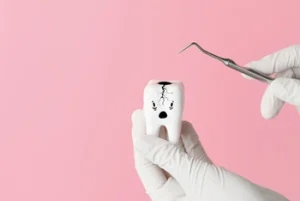
External discolouration often comes from surface stains caused by food and drinks. Regular exposure to coffee, tea, and red wine may gradually discolour the tooth enamel. Tobacco use can also contribute to surface darkening. In these cases, the natural tooth structure remains healthy.
A professional cleaning can often remove surface staining. If needed, teeth whitening may improve the appearance of mildly discoloured teeth.
Internal Discolouration
If the colour change comes from inside the tooth, this is known as internal discolouration or intrinsic stains. This is more serious. It may mean the inner tissues are damaged, especially if the tooth has suffered dental trauma in the past.
When the inner layer of the tooth is affected, the enamel may look grey, brown, or black. This is not simply staining. It may signal that the nerve dies and the tooth is becoming a dying or dead tooth.
What Happens When A Tooth Dies?
Each tooth contains soft tissue called pulp. The pulp includes blood vessels inside and nerves that keep the tooth alive. If the pulp becomes damaged following trauma or infection, the blood supply may be disrupted.
When this happens, the tissue may break down in a process known as pulp necrosis. In simple terms, the tooth dies. A dead tooth often becomes darker over time because of internal breakdown and sometimes internal bleeding.
You may not feel pain immediately. Some people experience only mild pain at first, while others notice no discomfort at all.
Common Causes Of A Darkened Tooth
There are several reasons for a darkened tooth that does not hurt.
Dental Trauma
A knock to the mouth during sport or an accident can damage the pulp. Even if the enamel looks fine at first, the inner tissue may be affected. Months later, you may notice the tooth slowly darkening.
Tooth Decay
Advanced tooth decay or untreated dental decay can reach the pulp. If bacteria spread deep enough, infection may occur without strong symptoms at the beginning.
Poor Oral Hygiene
Ongoing poor oral hygiene can lead to gum and tooth problems. Bacteria may slowly eat away at the enamel and dentine. Without regular brushing and flossing, decay can develop below the surface.
Using fluoride toothpaste, maintaining good oral hygiene, and attending regular check-ups help prevent this.
Does A Black Tooth Always Hurt?
Not always. Many people assume serious dental problems must be painful. In reality, a dying tooth can remain symptom-free for some time.
Pain usually develops when pressure builds up around the root or infection spreads to the surrounding gums. Swelling, sensitivity, or discomfort when biting may appear later.
If you begin to notice swelling near the gum margin, tenderness in the area, or changes affecting nearby teeth, seek advice from a dentist.
When Root Canal Treatment Is Needed
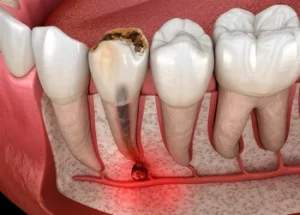 If the pulp becomes infected or dies, the usual solution is a root canal. This is also known as root canal treatment. The procedure removes infected tissue from the centre of the tooth and seals the space to prevent bacteria from returning.
A tooth that requires root canal treatment can often be saved if treated early. After treatment, the dentist may place a dental crown to protect the remaining tooth structure and restore strength.
This helps keep your natural tooth in place rather than removing it.
Can A Black Tooth Be Whitened?
If the discolouration is internal, regular whitening may not work. Standard teeth whitening treatments are designed to treat surface stains.
In some cases, special internal whitening techniques can be used after a root canal. Other options include dental bonding or crowns to improve appearance.
The right option depends on the cause of the discolouration and the condition of the tooth.
What About Baby Teeth?
Parents sometimes notice a dark tooth in children. Baby teeth can also darken after injury or decay. Even though they are temporary, they still play an important role in guiding adult teeth into place.
A dark baby tooth should be checked to protect the health of the surrounding teeth and avoid infection.
Signs That Need Urgent Attention
Even if you first noticed a tooth turning darker without pain, seek urgent care if you develop:
- Swelling around the gums
- Bad taste in the mouth
- Increasing sensitivity
- Discomfort when biting
- Changes spreading to the surrounding teeth
If symptoms worsen quickly, prompt dental assessment may be required.
Preventing Further Problems
Protecting your oral health reduces the risk of internal damage.
- Maintain regular brushing and flossing.
- Use fluoride toothpaste.
- Limit staining foods and drinks.
- Attend routine dental appointments.
- Address injuries promptly.
Good care prevents bacteria from slowly damaging the inner layer of the tooth.
Why Early Assessment Matters
A black tooth without pain may still hide serious damage. Because the pulp contains delicate tissues and blood vessels, once that tissue is lost, it cannot repair itself.
Delaying treatment increases the risk of infection spreading beyond the root into the jaw. What begins as a colour change without discomfort can develop into a more complex problem.
Final Thoughts
 If you notice a tooth turning black with no pain, do not assume it is harmless. While some cases are related to surface stains, others may indicate a dying tooth or internal damage.
Early assessment by a dentist allows the cause to be identified and treated before complications develop. Whether the solution is cleaning, whitening, bonding, or root canal treatment, prompt care protects your smile and supports long-term oral health.
If you are concerned about a tooth turning black without pain, or would like clarity about what the colour change means for your oral health, you can book a consultation or call (08) 7078 8263.
Note: Any surgical or invasive procedure carries risks. Before proceeding, you should seek a second opinion from an appropriately qualified health practitioner.
Resources
“Colgate-Palmolive Company. (2023). ‘What Is Good Oral Hygiene?’. Colgate Oral Care Center, 9 January. New York, NY: Colgate-Palmolive Company. https://www.colgate.com/en-us/oral-health/adult-oral-care/what-is-good-oral-hygiene”
“Mayo Clinic Staff. (2023). ‘Cavities and Tooth Decay’. Mayo Clinic, 30 November. Rochester, MN: Mayo Foundation for Medical Education and Research. https://www.mayoclinic.org/diseases-conditions/cavities/symptoms-causes/syc-20352892”
“Cleveland Clinic. (2025). ‘Tooth Enamel’. Cleveland Clinic, 7 October. Cleveland, OH: Cleveland Clinic. https://my.clevelandclinic.org/health/body/24798-tooth-enamel”