

Tooth extraction is a common dental surgery that may be necessary for a variety of reasons. Finding effective tooth extraction pain relief can help make your recovery more comfortable and support the natural healing process.
This guide will cover practical approaches to alleviating pain, managing swelling, and caring for the extraction site to promote a smooth recovery after tooth removal.
Why Some People Need a Tooth Extraction
Tooth extraction is generally recommended when keeping a tooth could compromise your oral health or overall comfort. Dentists carefully evaluate each case and usually consider removal only when other treatment options are no longer suitable or effective.
Common reasons for tooth extraction include:
 Severe Decay or Damage
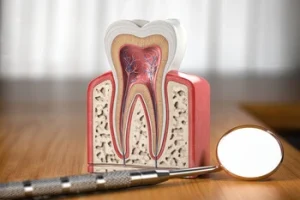 Severe Decay or Damage
When a tooth is extensively fractured, decayed, or weakened beyond repair, extraction may be necessary to prevent further infection or discomfort.
In these situations, restorative treatments such as fillings or crowns may not provide adequate long-term support, and removing the tooth can help protect the surrounding oral structures.
Advanced Gum Disease
Periodontal disease can compromise the supporting bone and soft tissues around a tooth. If the tooth cannot be stabilised due to significant gum or bone loss, extraction may be the suitable option. Removing the tooth helps safeguard neighbouring teeth and overall gum health.
Impacted or Problematic Wisdom Teeth
Wisdom teeth that grow at an angle, remain trapped underneath the gum line, or are unable to erupt fully can cause swelling, pain, or damage to adjacent teeth. Extraction in these cases can relieve discomfort and prevent future complications.
Orthodontic or Functional Needs
In certain orthodontic or bite-correction cases, removing a tooth may be necessary to create space, improve alignment, or support proper jaw function. Dentists make this decision carefully to achieve balanced and stable results.
Infection or Abscess
When a dental infection reaches the inner pulp of a tooth and cannot be resolved with root canal therapy, tooth removal may be recommended to prevent it from spreading to surrounding tissues. Removing the tooth allows for proper healing and reduces the risk of further complications.
Trauma
Teeth that are severely damaged because of accidents or injury may not be salvageable. Extraction in these situations helps relieve discomfort and allows your dentist to plan suitable replacement options if required.
What to Expect During a Tooth Extraction
A tooth extraction is a planned dental procedure that involves carefully extracting a tooth from its socket in the jawbone. Your dentist will determine whether the extraction is simple or surgical based on the tooth’s position and the condition of the surrounding tissues.
A simple extraction usually involves a tooth that is fully visible above the gum line, while a surgical procedure may be needed for an impacted tooth or one that sits below the soft tissues. Throughout the procedure, a local anaesthetic is used to keep you comfortable.
The Beginning of the Healing Process
Once the tooth is extracted, the site immediately begins a natural healing response. A blood clot forms in the empty socket, serving as a protective layer over the underlying bone and soft tissues. This blood clot is essential because it provides the foundation for granulation tissue to develop. Granulation tissue supports early healing and helps the site progress toward long-term recovery.
Understanding this early stage prepares you for what follows and helps you recognise the importance of protecting the clot as the healing process continues.
Immediate Tooth Extraction Pain Relief
Experiencing some dental pain after a tooth extraction is a normal part of the recovery process. Many patients notice discomfort and tenderness in the first 24 hours, which can be effectively managed with a combination of practical approaches.
Using Cold Therapy
Applying an ice pack or cold compress to the outside of the face near the extraction site can help reduce swelling and ease tooth extraction pain. It is recommended to use the ice pack for 10 to 15 minutes at a time, with brief breaks between applications.
To protect soft tissues, always wrap the ice pack in a clean piece of cloth or towel before use. Cold therapy supports the natural healing process and can make the first day of recovery more comfortable.
Pain Medications
Alongside cold therapy, your dentist may recommend pain medications such as paracetamol or ibuprofen. These should be taken according to the instructions provided, taking into account any underlying conditions, such as blood pressure.
Using pain medications as advised can help reduce discomfort and make daily activities easier to manage during the initial recovery period.
Monitoring Your Comfort
Some tenderness and mild discomfort around the extraction site are expected. However, if pain increases, persists beyond the anticipated timeframe, or feels different from what your dentist describes as normal, it is important to seek further advice.
Monitoring your comfort helps ensure that potential complications, such as dry socket or infection, are addressed promptly.
By combining cold therapy, appropriate pain medications, and careful monitoring, you can manage tooth extraction pain effectively while supporting a smooth healing process.
Caring for the Extraction Site
Proper tooth extraction aftercare is essential for reducing discomfort, supporting healing, and preventing complications. Following your dentist’s instructions carefully helps ensure the extraction site recovers smoothly.
 Blood Clot Formation
 Blood Clot Formation
Immediately after the tooth is extracted, the dentist will put a gauze pad over the site. Applying gentle pressure for a few hours helps form a stable blood clot, which is a key part of the healing process.
This clot protects the underlying bone and soft tissues and supports the development of granulation tissue.
Protecting the Extraction Area
It is important to avoid actions that may dislodge the blood clot, including vigorous spitting, using straws, or touching the extraction site with your tongue or fingers. Such actions can interfere with healing and increase the risk of dry socket.
By protecting the extraction area, you help maintain the normal recovery process and reduce the likelihood of further pain or swelling.
Maintaining Cleanliness
Keeping the extraction site clean is necessary for reducing complications and supporting bone healing. Gently rinsing with a warm saltwater solution or following any dentist-recommended oral hygiene routine can help remove food particles without disturbing the clot.
Avoid harsh rinsing or vigorous brushing near the extraction area during the initial healing period.
By following these practices, you can support the healing process, reduce discomfort, and ensure the extraction site remains in optimal condition throughout recovery.
Eating and Drinking After Tooth Extraction
Proper nutrition and hydration are key in supporting the healing process following a tooth extraction. Choosing the right foods and drinks can help reduce discomfort and protect the extraction site.
Soft Foods for Comfort
During the first 24 hours, it is recommended to eat soft foods that require little chewing. Options such as yoghurt, mashed potatoes, and soups are gentle on the extraction area and help minimise irritation.
As your comfort improves, you can gradually introduce other soft foods, such as scrambled eggs, porridge, or well-cooked vegetables. Avoid hot, spicy, or crunchy foods during the initial recovery period, as these can increase pain and interfere with blood clotting at the extraction site.
Hydration
Staying hydrated is important for overall healing. Drinking warm water can soothe gum pain and maintain oral moisture.
By following these dietary and hydration practices, you can reduce discomfort, support the healing process, and help the extraction site recover more comfortably and effectively.
When to Seek Further Advice
Mild discomfort, tenderness, and swelling are normal during the recovery from tooth extraction. However, it is important to recognise when symptoms may require professional attention.
Early identification of possible issues allows you to seek guidance promptly and supports a smoother healing process.
Dry Socket
Dry socket can occur if the blood clot at the extraction site becomes dislodged or fails to form properly. This exposes the underlying bone and may lead to increased discomfort and slower healing.
To reduce the risk, avoid tongue spitting, using straws, or touching the extraction site, and follow your dentist’s tooth extraction aftercare instructions carefully.
Infection
Signs of infection may include persistent swelling, severe pain or a low-grade fever. Maintaining good oral hygiene, rinsing gently with a warm saltwater solution, and keeping the extraction site clean can help prevent infection.
If these symptoms occur, contact your dentist promptly for further advice and appropriate management.
Excessive Bleeding
Light oozing is normal in the first few hours following a dental extraction. Continuous or heavy bleeding, however, may indicate a complication.
Applying a gauze pad with gentle pressure usually helps control bleeding. If bleeding persists, seek professional guidance to ensure proper healing.
Swelling and Inflammation
Swelling generally peaks within the first 24 to 48 hours. If swelling continues to increase or is accompanied by severe pain, it may suggest an underlying issue.
Applying ice packs during the first 24 hours and following your dentist’s recommendations can help manage swelling effectively and ease discomfort.
Food or Debris Trapped in the Extraction Site
 Food particles lodged in the empty socket can irritate the tissues and increase the risk of infection.
Gently rinsing with a warm saltwater solution or a dentist-recommended mouthwash helps keep the extraction site clean without disturbing the blood clot. Avoid using sharp objects or fingers to remove debris.
Being aware of these potential risks and following careful post-extraction care can help reduce discomfort, support bone and soft tissue healing, and promote a smoother recovery.
Frequently Asked Questions
Can I exercise after having a tooth removed?
It is recommended to avoid vigorous exercise for at least the first 24 to 48 hours. Increased blood flow may disturb the clot at the extraction site. Light activity is generally fine, but you should follow any instructions your dentist tells you regarding your specific procedure.
Is it normal to have bad breath after a tooth extraction?
Bad breath can occur if food particles collect around the extraction site or if the mouth becomes dry. Gently rinsing with warm saltwater and maintaining good oral hygiene can help reduce odours. If bad breath persists, it may be helpful to speak with your dentist.
How do I know if the blood clot is forming properly?
You may notice a dark, jelly-like layer inside the empty socket. This is part of the normal healing process. As long as you do not feel increasing pain or see an empty socket, the clot is likely developing as expected. If you feel more pain or notice the area looks hollow, contact your dentist.
Can I talk normally after having a tooth pulled?
Yes, but it may be more comfortable to limit speaking for the first few hours, especially while keeping the gauze pad in place. Speaking too much early on may loosen the clot or restart mild bleeding.
Why do I feel more pain at night?
Some people experience more pain at night due to changes in blood pressure and lying down for long periods. Keeping your head slightly elevated can help relieve pain and reduce swelling.
Conclusion
Tooth extraction pain relief can be achieved through careful aftercare, cold compresses, pain medications, and a soft-food diet. Understanding the healing process, protecting the blood clot, and maintaining good oral hygiene can support bone and soft tissue recovery.
Following these practices can make your recovery process smoother and more manageable. If pain persists or complications arise, consulting your dentist ensures that your healing remains on track.
If you’re preparing for a tooth extraction or need guidance on managing post-extraction pain, our experienced dental team is here to help.
Call us today at (08) 7078 8263 to receive expert guidance on tooth extraction aftercare and pain relief.
Note: Any surgical or invasive procedure carries risks. Before proceeding, you should seek a second opinion from an appropriately qualified health practitioner.
References
Gotter, A. (2023, April 25). What to Expect During a Tooth Extraction. Healthline. Retrieved November 21, 2025, from https://www.healthline.com/health/tooth-extraction
Johnson, J. (2024, December 20). Tooth Extraction Aftercare and Healing Guide. Medical News Today. Retrieved November 21, 2025, from https://www.medicalnewstoday.com/articles/326147
Lipner, M. (2024, October 19). 8 Ways to Prevent Dry Socket After a Tooth Extraction. Verywell Health. Retrieved November 21, 2025, from https://www.verywellhealth.com/how-to-prevent-dry-socket-8727513
Taylor, M. (2025, August 3). Do I Need to Have My Wisdom Teeth Removed? WebMD. Retrieved November 21, 2025, from https://www.webmd.com/oral-health/wisdom-teeth-removal-necessary