

A half-broken molar tooth can be worrying, painful, and inconvenient. Whether the damage came from hard foods, tooth decay, sports injuries, or teeth grinding, getting the right tooth repair helps protect the remaining tooth structure and prevent further damage. Molars do a lot of heavy chewing, so when a broken tooth occurs at the gum line or higher, it should be examined as soon as possible to avoid problems.
Many people first notice the issue after biting something firm, like popcorn kernels or hard candy. Others feel a sharp edge against the cheek or tongue. It may start as a tiny chipped tooth one day, then become a larger broken molar the next. No matter how it began, cracked or broken back teeth need professional attention.
Why Molars Break
 Molars often carry the highest chewing pressure in the mouth. When tooth enamel is weakened by tooth decay, large fillings, or constant grinding, a tooth fracture or tooth crack can form. Sometimes a broken or chipped tooth is caused by biting hard objects by accident. In other cases, sports injuries or playing contact sports without mouth protection can lead to a fractured tooth.
If left untreated, even a small cracked tooth can spread deeper and cause severe damage. A damaged tooth that looks minor on the surface may still need treatment if the crack extends towards the root or nerve. Pain, sensitivity, and discomfort when chewing or when the tooth hurts after hot or cold foods are common signs that the injury is more serious.
What To Do When You Notice the Break
The biggest priority is to see a dentist promptly. Avoid biting down on the tooth, especially on hard foods or hard objects. If you feel pain, stick to soft foods until you can get help. A short-term aid like sugarless chewing gum can cover a sharp edge and stop it from scraping the tongue. A warm salt-water rinse can ease irritation and flush out small bits of debris, though it does not replace proper treatment.
Even if the chipped or broken tooth looks small, early repair prevents further damage and supports dental health long term.
Common Treatment Options
A dentist may recommend different dental treatments depending on the size of the break, how much natural tooth remains, and whether the pulp is affected.
Dental Bonding
For minor cracks, small corner breaks, or chipped enamel, dental bonding is often the first solution. A tooth-coloured resin is applied to the surface and shaped to match the natural tooth. This bonding material blends in smoothly, making it a simple procedure that restores shape and comfort. Bonding works well when the broken molar still has strong enamel support.
Dental Filling
If the break exposes deeper layers or forms a cavity, a dental filling might be used to seal and reinforce the tooth. This reduces the chance of bacteria entering and protects against further decay. Composite resin is commonly used because it looks similar to natural enamel.
Dental Crown
When a broken molar loses a larger portion of its structure, a dental crown may be recommended. Crowns cover and protect the tooth, letting it function normally again. If the crack sits close to the gum line or if pressure from chewing risks reopening the fracture, a crown provides stronger support.
Root Canal
If bacteria have reached the inner tissues or infected the pulp, root canal treatment can save the remaining tooth structure. During a root canal, damaged or infected pulp is removed, the area is cleaned, and the tooth is sealed. After that, a dental crown often follows to prevent tooth loss.
Dental Implant
If the damage is too extensive for the tooth to be restored, a dental implant may be recommended as a strong, long-term replacement. Implants replace the missing structure, protect the surrounding teeth, and restore chewing strength. Although it sounds major, implants can be an excellent option when tooth extraction is necessary.
 When Extraction Might Be Needed
 When Extraction Might Be Needed
Tooth extraction is usually considered only when the fractured tooth cannot be repaired safely. If the break travels below the gum line, the root is split, or too little tooth remains to support a dental crown, extraction may be the only way to prevent ongoing pain or infection.
The good news is that modern dentistry offers effective solutions afterwards, including dental implants, bridges, and other restorative options.
Preventing Future Breaks
Prevention is always better than repair. Regular dental visits allow early detection of cracks, weakened enamel, or tooth decay. Good oral hygiene reduces decay, while avoiding habits like chewing ice or pen lids prevents unnecessary pressure. Wearing a mouthguard during playing contact sports or if you grind at night also protects teeth from sudden fracture.
Final Thoughts
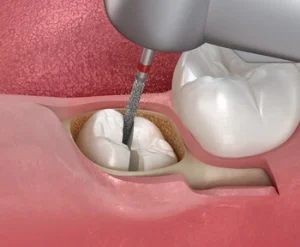 A half-broken molar tooth repair can range from a simple bonding procedure to placing a dental crown or performing a root canal. Every case is unique, so the best step is always to see a dentist. Acting early can prevent tooth loss, protect the remaining tooth structure, and restore comfort.
If you ever notice a broken molar, chipped or broken tooth surface, your tooth hurts when chewing, or a sharp edge after the break, the safest step is to seek professional review. With the right treatment options and timely dental care, most broken molars can be repaired and saved.
If you’re worried about a half-broken molar, tooth pain, or want clarity on the safest treatment to protect your natural tooth structure, you can book a consultation with us or call (08) 7078 8263 to talk through options that support long-term dental health.
Note: Any surgical or invasive procedure carries risks. Before proceeding, you should seek a second opinion from an appropriately qualified health practitioner.
Resources
“Cleveland Clinic Staff (2023). ‘Cavities’. Cleveland, OH, 27 March. Cleveland, OH: Cleveland Clinic. https://my.clevelandclinic.org/health/diseases/10946-cavities“
“Colgate Oral Care Editorial Team (2023). ‘What Is Good Oral Hygiene?’. New York, NY, 9 January. New York, NY: Colgate-Palmolive Company. https://www.colgate.com/en-us/oral-health/adult-oral-care/what-is-good-oral-hygiene“