

A broken tooth can happen without warning. Biting into something hard, a knock during sport, or an accident can crack or chip a tooth at any time of day. The first response matters, and knowing what to do in those initial minutes can reduce pain and help protect what remains of the tooth.
There is no true substitute for dental treatment when a tooth breaks, but there are steps you can take to manage discomfort and reduce the risk of further damage while you arrange care. What works, what to avoid, and when to treat the situation as an emergency all depend on the extent of the break.
Quick Overview
- A temporary fix for a broken tooth refers to first-aid steps and over-the-counter materials that protect the tooth until professional treatment is available
- This may apply to anyone with a chipped, cracked, or broken tooth who cannot access dental care immediately
- Temporary measures can reduce discomfort and protect exposed tooth structure, but they do not address the underlying damage
- How well a temporary fix holds and how much protection it provides will vary depending on the severity and location of the break
- Keep reading to understand which steps help, which materials are appropriate, and when to treat a broken tooth as a dental emergency
What to Do Immediately After a Tooth Breaks
Acting quickly reduces the chance of infection and protects the tooth from further damage. Follow these steps in the first few minutes:
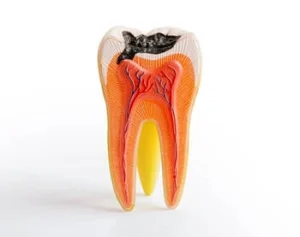 Rinse your mouth gently. Use warm water to clear any debris or blood. Do not use very hot or very cold water, as temperature extremes can intensify sensitivity in an exposed tooth.
Control any bleeding. Apply gentle pressure to the area using clean gauze or a soft cloth. Hold it in place for a few minutes. If bleeding does not stop within 10 to 15 minutes or is significant, seek urgent care.
Save any broken fragments. If you can find the piece, broken fragments can sometimes be reattached by a dentist, depending on the nature of the fracture. Store the fragment in milk or your own saliva and bring it to your appointment.
Apply a cold compress. Place a cold pack or ice wrapped in a cloth against the outside of your cheek. Leave it on for 10 minutes at a time. This helps reduce swelling and can ease some of the discomfort.
Take over-the-counter pain relief. Paracetamol or ibuprofen taken according to packet directions can help manage pain while you arrange dental care. Do not place aspirin directly on the gum or tooth, as this can cause tissue damage.
Temporary Materials That Can Help
Once you have managed the immediate situation, certain over-the-counter products can provide short-term protection until you see a dentist.
Dental wax. This is the safest and most accessible option for covering a sharp or jagged edge. Dental wax is soft, pliable, and designed for use inside the mouth. Dry the tooth area gently with a tissue, roll a small piece of wax between clean fingers to soften it, and press it carefully over the broken edge. It will not restore the tooth, but it protects the tongue, cheek, and gum from being cut by a rough surface.
Sugarless chewing gum. If dental wax is not available, a small piece of sugarless chewing gum can be pressed over a sharp edge as a short-term alternative. Use sugar-free only.
Temporary filling material. Over-the-counter dental repair kits are available from pharmacies and contain a putty-like material that can be used to fill a gap where a filling has come out or to cover a small chip. Follow the product instructions carefully. These materials are not designed to hold under significant bite pressure and should not replace professional treatment.
None of these options addresses the underlying damage. They buy time until dental treatment is available and should not be used to delay care indefinitely.
What to Avoid
Some commonly suggested home remedies can make the situation worse:
- Do not use superglue or household adhesives. These are not safe for use inside the mouth and can damage gum tissue.
- Do not chew on the affected side. Extra pressure on a cracked or broken tooth can cause the fracture to deepen.
- Avoid hard, crunchy, or sticky foods. Stick to soft foods until the tooth is assessed and treated.
- Do not ignore persistent pain. A tooth that continues to throb or ache after the initial injury may have damage extending into the pulp, which contains the nerve. This type of injury requires prompt dental treatment and may need root canal therapy if the pulp becomes infected.
When Is a Broken Tooth a Dental Emergency?
Most broken teeth require dental care, but some situations need same-day attention. Cracked or chipped teeth need attention to prevent long-term damage.
 Seek urgent care on the same day if:
- There is significant bleeding that does not stop with pressure
- The break has exposed the inner part of the tooth (the pulp), which may appear as a pink or red area in the centre
- You have severe, constant pain that does not ease with over-the-counter pain relief
- The tooth is loose or displaced from its normal position
- There is swelling in the jaw or face
A broken front tooth or a large piece missing from any tooth should also be assessed promptly, as these situations affect both function and structural integrity.
If a tooth has been completely knocked out, store it in milk and handle it by the crown while getting to a dentist within 30 minutes. Time is a genuine factor with a knocked-out tooth.
A Considered Approach to Broken Tooth Care
A temporary fix for a broken tooth is exactly that: temporary. Dental wax, sugarless gum, and over-the-counter repair kits can reduce discomfort and protect the tooth short-term, but they do not treat cracks, prevent infection, or restore structural strength. Delaying professional care increases the risk that a manageable break becomes a more complex problem.
We are available from 7 am to 9 pm, seven days a week, including weekends and public holidays. If you have a broken or chipped tooth and need prompt assessment, call us on (08) 7078 8263 or book an appointment online.
Note: Any surgical or invasive procedure carries risks. Before proceeding, you should seek a second opinion from an appropriately qualified health practitioner.
Frequently Asked Questions
Can I fix a broken tooth at home permanently?
No. There is no home method that permanently repairs a broken tooth. Dental wax, sugarless gum, and over-the-counter filling materials can provide temporary protection and reduce discomfort, but professional dental treatment is needed to assess the damage, address the underlying cause, and restore the tooth.
How long can I wait after breaking a tooth?
It depends on the severity. A minor chip with no pain can often wait for a scheduled appointment within a day or two, provided you avoid chewing on that side. If there is significant pain, bleeding, visible pulp exposure, or the tooth is loose, see a dentist the same day. Individual circumstances vary, and a dentist’s assessment is the only way to determine the extent of the damage.
References
Australian Dental Association. (n.d.). ‘Dental trauma’. Teeth.org.au. St Leonards, NSW: Australian Dental Association. https://www.teeth.org.au/dental-trauma
Healthdirect Australia. (2026). ‘Dental injury’. Healthdirect Australia, February. Australia: Healthdirect Australia. https://www.healthdirect.gov.au/dental-injury
Better Health Channel, Department of Health Victoria. (2026). ‘Dental injuries: Knocked out, chipped or cracked teeth’. Better Health Channel, 4 August. Victoria: Department of Health Victoria. https://www.betterhealth.vic.gov.au/health/conditionsandtreatments/dental-injuries-tooth-loss