

A fracture in the root of a tooth is one of the more difficult dental problems to detect early. Unlike a visible crack on the surface of a tooth, a fractured tooth root occurs below the gumline, where it cannot be seen and may not produce obvious symptoms straight away. By the time discomfort becomes noticeable, the fracture may have been present for some time.
What makes this condition particularly tricky is that the symptoms of a fractured tooth root closely resemble other dental problems. Pain when biting, gum swelling, and tooth sensitivity are common to a range of conditions, which means a root fracture can be easy to misattribute. Understanding the specific signs, what causes them, and when to seek help is the most useful starting point.
Quick Overview
- Fractured tooth root symptoms are signs of a crack that originates at or below the root of a tooth, often below the gumline
- It may affect anyone but is more commonly seen in teeth that have had root canal treatment, large restorations, or a history of grinding
- Symptoms vary and may be subtle at first, which can delay diagnosis without a clinical examination and appropriate imaging
- How the fracture presents and what treatment options are available depend significantly on how far the crack has extended and when it is identified
- A thorough dental assessment, including X-rays or advanced imaging, is typically needed to confirm whether a root fracture is present
Below, we explain the most common symptoms of a fractured tooth root, what causes them, how diagnosis works, and when prompt dental attention is warranted.
What Are the Symptoms of a Fractured Tooth Root?
A fractured tooth root does not always cause pain, particularly in the early stages. When symptoms do appear, they tend to be inconsistent and difficult to localise, which is part of what makes root fractures challenging to identify without clinical examination.
Common symptoms include: 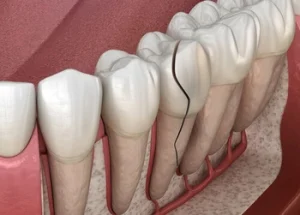
- Pain when biting or chewing, which may ease when pressure is removed.
- Sensitivity to hot, cold, or sweet foods that lingers after the trigger is removed, rather than settling quickly.
- Swelling or tenderness in the gum near the affected tooth. The gum may look slightly raised or feel tender to touch.
- A tooth that feels loose or slightly mobile without an obvious cause such as injury or advanced gum disease.
- A sinus tract or small pimple on the gum near the tooth root, which can indicate infection in the surrounding tissue.
- Dull, ongoing discomfort that is difficult to pinpoint to a specific tooth.
In some cases, a vertically fractured root produces no symptoms at all until infection or significant bone loss develops around it. This is one reason why tooth fractures below the gumline are often detected during routine dental examinations rather than because of pain.
What Causes a Fractured Tooth Root?
Several factors can lead to a root fracture. In many cases, more than one contributing factor is involved.
Teeth that have had root canal treatment: Teeth that have undergone root canal treatment are more susceptible to root fractures than intact teeth. The treatment involves removing the dental pulp, which leaves the tooth with reduced internal support and, over time, less resilience under biting forces. A crown placed after root canal treatment helps protect the remaining structure, but the underlying tooth remains more vulnerable to fracture than a tooth with its pulp intact.
Teeth grinding and jaw clenching: Teeth grinding, known as bruxism, places sustained, repetitive pressure on the teeth and their roots. Over time, this force can create cracks that extend from the biting surface downward through the root. Tooth grinding and jaw clenching are among the most common contributors to tooth fractures, and many people are unaware they grind at night.
Large restorations and fillings: Teeth with large existing fillings or restorations have less natural tooth structure remaining. This reduced structural integrity makes them more susceptible to fracture under normal biting forces, particularly over many years.
Trauma: A direct blow to the mouth or face can fracture a tooth root even when the visible crown of the tooth appears undamaged. Trauma-related root fractures may not produce symptoms immediately and can be missed without a thorough post-injury dental examination.
Natural wear with age: Teeth become less resilient over time. The combination of years of biting force and gradual changes in the tooth structure means root fractures are more commonly seen in older adults, though they can occur at any age.
How Are Fractured Tooth Root Symptoms Different From Other Dental Pain?
Root fracture symptoms can overlap significantly with those of gum disease, a dental abscess, and general tooth decay. A few distinguishing features can help guide assessment.
Pain from a fractured root tends to be intermittent rather than constant. It often flares when chewing specific foods, particularly hard or crunchy ones, and then eases. This pattern differs from the throbbing, persistent pain of a dental abscess, or the diffuse discomfort of widespread gum disease. A fracture also tends to cause pain in response to releasing bite pressure, not just when applying it.
A loose tooth with gum swelling and no visible crown damage, particularly in a tooth that has previously had a root canal, is a pattern that warrants investigation for a possible root fracture. Not all cracks in teeth require the same treatment, and managing cracked teeth appropriately depends on how far the crack extends, which part of the tooth is involved, and the overall condition of the tooth.
What Treatment Options Are Available?
Treatment for a fractured tooth root depends on how extensive the fracture is, which part of the root is affected, and the overall health of the tooth.
Root canal treatment: If the fracture is confined to the root and has not extended extensively through the tooth structure, root canal treatment may be an option. The goal is to address any infection in the dental pulp and stabilise the tooth. A crown is typically placed afterwards to protect the remaining structure. Treatment outcomes vary and depend on individual circumstances.
Tooth extraction: When a root fracture has extended significantly, or the tooth cannot be preserved, extraction is often the indicated option. An untreated fracture can lead to progressive bone loss and infection in the surrounding tissue, which makes early assessment important. Replacing an extracted tooth is something a dentist can discuss based on your individual situation.
Monitoring minor cracks: Not all cracks in teeth require immediate intervention. Superficial cracks in the enamel, known as craze lines, are common and rarely require treatment unless they extend deeper. A dentist can assess whether a crack needs active treatment or careful monitoring.
A Considered Approach to Tooth and Root Pain
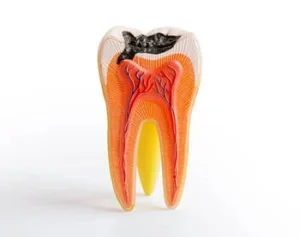 Pain when biting, unexplained tooth sensitivity, or a loose tooth without a clear cause are all signs worth investigating. A fractured tooth root left unaddressed tends to worsen over time, and the options available at an early stage are generally broader than those available once infection or significant bone loss has developed. Individual presentations vary, and the right course of action depends on what examination and imaging reveal.
If you are experiencing any of these symptoms, we are available to help. We are open seven days a week, from 7:00 am to 9:00 pm.
Call us on (08) 7078 8263 or book an appointment online at any time.
Note: Any surgical or invasive procedure carries risks. Before proceeding, you should seek a second opinion from an appropriately qualified health practitioner.
Frequently Asked Questions
How is a fractured tooth root different from a cracked tooth?
A cracked tooth refers broadly to any crack in the visible crown or deeper structure of the tooth. A fractured tooth root specifically involves a crack in the root, below the gumline, and is often not visible during a standard examination. Fractured roots are more common in teeth that have had root canal treatment and may require advanced imaging to diagnose accurately.
Can I keep a tooth with a fractured root?
This depends on how far the fracture has extended and the overall health of the tooth. In some cases, root canal treatment and a crown may preserve the tooth. In others, extraction is the more appropriate option. A dentist will assess the fracture and discuss the options available based on your individual situation. Outcomes vary between individuals.
References
Healthdirect Australia. (2024). ‘Dental Injury’. Healthdirect Australia. Canberra, ACT: Australian Government. https://www.healthdirect.gov.au/dental-injury
Better Health Channel. (2025). ‘Teeth Grinding’. Department of Health, State Government of Victoria. Melbourne, VIC: Victorian Government. https://www.betterhealth.vic.gov.au/health/conditionsandtreatments/teeth-grinding
Australian Dental Association. (n.d.). ‘Cracked Teeth’. Teeth.org.au. Sydney, NSW: Australian Dental Association. https://teeth.org.au/cracked-teeth