

Dental emergencies don’t follow a schedule. A knocked-out tooth, a cracked crown, or a sudden abscess can happen at any time, and the steps you take in those first few minutes can have a real impact on how well the tooth or surrounding tissue responds to treatment.
Most people are not sure what to do when a dental emergency strikes. Some wait, hoping the pain settles. Others head straight to a hospital emergency department, only to find dental treatment is not available there. Knowing the right steps in advance means you are not making those decisions under pressure.
We are here seven days a week for exactly these situations. Whether it is a weeknight, a weekend, or a public holiday, our team is ready to help.
Quick Overview
- A dental emergency is any situation involving sudden tooth pain, injury, bleeding, or swelling that requires prompt attention rather than a routine appointment.
- Dental emergencies can happen to anyone at any age; those involved in contact sport or physical activity may face a higher risk of dental trauma.
- Knowing basic first-aid steps for your specific situation may reduce the risk of lasting damage while you arrange care, but outcomes depend on several factors.
- The type and severity of the injury, and how quickly you seek dental advice, can affect the options available to you.
- Identifying whether your situation needs urgent care and then contacting a dentist as soon as possible is where to start.
The sections below outline the most common dental emergencies and what to do in each situation.
What Counts as a Dental Emergency?
A dental emergency is any dental problem involving significant pain, bleeding, swelling, or risk of lasting damage that needs attention promptly, rather than waiting days for a routine appointment.
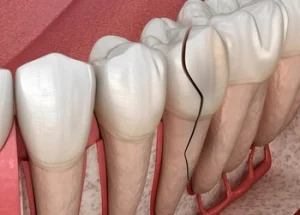 Common situations include:
- A knocked-out tooth (adult or baby tooth)
- A chipped, cracked, or fractured tooth
- Severe toothache or tooth pain that does not settle
- A tooth abscess or facial swelling
- Damage to a dental appliance such as a denture, bridge, or implant
- Gum bleeding that is difficult to control
- Dental injury from an accident or fall
What Should You Do First in a Dental Emergency?
Stay calm, assess what has happened, and contact a dentist as soon as possible. Most dental emergencies are manageable with a few careful steps before you reach the clinic.
For most situations, these steps apply:
- Rinse your mouth with warm water or a saline solution to clean the area gently.
- Apply a cold compress to the outside of your cheek to help manage swelling. Do not place it directly on the tooth or gum tissue, as this can damage tissue.
- Control bleeding by applying direct pressure with a clean cloth or soft gauze to the bleeding area.
- Manage pain with paracetamol or ibuprofen as directed on the packaging. Avoid placing aspirin directly on gum tissue, as it can irritate and damage the soft tissues around the tooth.
- Call a dentist and describe your symptoms clearly so the team can assess urgency and guide your next steps.
What to Do If a Tooth Is Knocked Out
 Handle the tooth by the crown (the part you can see), not the root surface. This protects the delicate cells needed for the tooth to reattach. Rinse the tooth briefly in milk or saline, not tap water, and avoid scrubbing or rubbing to remove dirt. Australian Dental Association oral injury guidelines recommend that persons who suffer oral injury be promptly assessed by a dentist.
If possible, gently place the tooth back into the socket and bite down softly on a soft cloth to hold it in position. If reinsertion is not possible, store it in milk or between your cheek and gum while you travel to the clinic.
Contact a dentist immediately. Time is a genuine clinical factor with knocked-out teeth, and individual outcomes depend on the nature of the injury and how quickly treatment is received.
What to Do About a Chipped or Broken Tooth
Rinse your mouth with warm water and collect any broken pieces where possible. Wrap them in plastic wrap or a damp cloth and bring them to your appointment.
If sharp edges are irritating your cheek or tongue, dental wax from a chemist can provide short-term relief. Avoid hard or cold foods until you have been assessed.
Speak to Our Team
If you are dealing with a dental emergency in Adelaide, we are here to help. Our team is available seven days a week and treats all types of dental trauma with care.
Call us on (08) 7078 8263 or get in touch online to speak with our team directly.
Frequently Asked Questions About What to Do in a Dental Emergency
What should I do if my child has a dental emergency?
Stay calm and follow the same general steps: rinse the area with warm water, apply a cold compress for swelling, and contact a dentist as soon as possible. If a baby tooth has been knocked out, do not attempt to reinsert it. Seeking dental advice promptly allows the dentist to assess whether surrounding teeth or gum tissue have been affected.
What should I do if I have a badly bitten lip, cheek, or tongue?
Apply direct pressure to the area with a clean cloth to control bleeding. A cold compress on the outside of the mouth may help reduce swelling. Most minor soft tissue injuries settle with time, but if bleeding does not slow within 10 to 15 minutes, the wound is deep, or there is significant swelling, seek care promptly. A dentist can assess whether the injury needs further treatment.
Note: Any surgical or invasive procedure carries risks. Before proceeding, you should seek a second opinion from an appropriately qualified health practitioner.
References
Australian Dental Association. (2024). ‘Policy Statement 2.2.5 – Prevention and Management of Oral Injuries’. Australian Dental Association, April. St Leonards, NSW: Australian Dental Association. https://ada.org.au/policy-statement-2-2-5-prevention-and-management-of-oral-injuries
Department of Health & Human Services. (2022). ‘Dental injuries – Knocked out, chipped or cracked teeth’. Better Health Channel, 31 May. Melbourne, VIC: Department of Health, State Government of Victoria. https://www.betterhealth.vic.gov.au/health/ConditionsAndTreatments/Dental-injuries-tooth-loss
Healthdirect Australia. (2026). ‘Dental injury’. Healthdirect Australia, February. Canberra, ACT: Healthdirect Australia. https://www.healthdirect.gov.au/dental-injury