

Tooth pain when biting can make everyday activities uncomfortable. Some people notice a sharp pain when chewing, while others feel pressure, throbbing pain, or sensitivity in one area of the mouth.
This type of dental pain can happen for many reasons. In some cases, the problem is mild and temporary. In other situations, the pain may point to an underlying cause that needs dental care.
Understanding the causes of tooth pain can help you recognise when symptoms may improve on their own and when it may be time to arrange a dental appointment.
Why Tooth Pain Happens When Biting
When you bite down, pressure travels through the teeth, gums, and tooth roots. If one part of the tooth or surrounding tissue is irritated or damaged, that pressure can cause pain.
Some people feel pain only when chewing hard foods. Others notice discomfort even with soft foods or when the upper and lower teeth come together normally.
The location and type of pain symptoms can sometimes help identify the cause.
Tooth Decay And Cavities
Tooth decay is one of the most common causes of tooth pain when biting.
How Decay Causes Pain
 When bacteria damage the tooth enamel, small holes can form in the tooth. Over time, decay may spread deeper toward the inner part of the tooth.
As this happens, the tooth may become sensitive to pressure, cold foods, or hot or cold foods and drinks.
If food particles become trapped inside a cavity, the pressure while biting may make the tooth hurt more noticeably.
Preventing Further Decay
Good dental care habits may help reduce plaque buildup and lower the risk of further decay. This includes:
- Brushing with fluoride toothpaste
- Cleaning between the teeth
- Limiting sugary foods and drinks
- Attending regular dental visits
Some people may also benefit from fluoride treatments recommended by a dentist.
Cracked Tooth And Worn Enamel
A cracked tooth may cause pain that comes and goes, especially during chewing.
Why Cracks Can Be Painful
Even a small crack can create movement inside the tooth when pressure is applied. This may lead to sharp pain while biting or releasing pressure after chewing.
Cracks are sometimes difficult to see without dental X-rays or a close dental examination.
Teeth Grinding And Excessive Pressure
Teeth grinding can place excessive pressure on the teeth over time. This may wear down tooth enamel and increase the risk of small fractures.
People who grind their teeth during sleep may also experience:
- Jaw pain
- Sensitive teeth
- Worn enamel
- Discomfort in the back teeth
Gum Disease And Gum Recession
Problems affecting the gums can also cause pain when biting.
Early Gum Problems
Plaque and food particles that remain around the gums may irritate the tissue and lead to bleeding gums or swollen gums.
In the early stages, temporary gum irritation may cause mild discomfort while chewing.
Periodontal Disease
If gum disease progresses into periodontal disease, the supporting structures around the teeth may become affected.
This can expose the root surface or lead to gum recession, where the gums pull away from the teeth. An exposed root may become sensitive during eating or brushing.
In more advanced cases, untreated gum disease may increase the risk of tooth loss.
Dental Abscess And Infection
A dental abscess can create strong pain symptoms, especially when pressure is applied.
Signs Of Infection
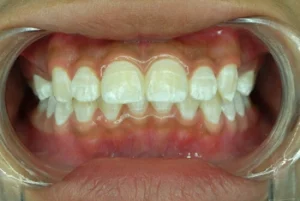 An infection near the tooth roots may lead to:
- Throbbing pain
- Swelling around the gums
- Pain when biting
- Sensitivity to temperature
Some people also notice swelling in the face or difficulty chewing comfortably.
Root Canal Treatment
If infection reaches the inside of the tooth, root canal treatment may sometimes be discussed to remove damaged tissue and help preserve the tooth.
The type of dental treatment depends on the condition of the tooth and the surrounding structures.
Wisdom Teeth And Back Tooth Pain
Wisdom teeth can sometimes cause discomfort in the lower teeth or back teeth.
Impacted Wisdom Teeth
Impacted wisdom teeth may not fully erupt through the gums. This can create pressure, swelling, and discomfort when biting.
Food stuck around partially erupted wisdom teeth may also irritate the surrounding gums.
Pressure In The Jaw
Some people experience jaw pain or tenderness near the back of the mouth as wisdom teeth develop or shift position.
A dentist may use dental X-rays to assess the position of impacted wisdom teeth and surrounding teeth.
Loose Fillings And Previous Dental Work
Older dental work may sometimes contribute to tooth pain when biting.
Loose Fillings
Loose fillings can allow pressure and food particles to enter small spaces around the tooth. This may create discomfort while chewing.
A filling that no longer fits correctly may also change how the upper and lower teeth meet together.
Bite Changes
If the bite becomes uneven, certain teeth may absorb more pressure than others. Over time, this can cause pain or sensitivity.
Sinus Pressure And Upper Tooth Pain
Not all tooth pain starts inside the tooth itself.
Sinus Infections And Tooth Pain
Sinus infections can sometimes create pressure around the upper teeth because the sinus spaces sit close to the tooth roots.
People with sinus pressure may feel discomfort in several upper teeth at once, especially during bending or movement.
Signs It May Be Sinus Related
People with sinus-related pain may also notice:
- Nasal congestion
- Facial pressure
- Headaches
- Facial tenderness
This type of pain usually affects multiple upper teeth rather than one single tooth.
Sensitive Teeth And Exposed Areas
Sensitive teeth may react strongly during eating or drinking.
Common Causes Of Sensitivity
Sensitivity may happen when:
- Tooth enamel becomes worn.
- Gum recession exposes the root surface.
- Aggressive tooth brushing damages the gums.
Using a soft-bristle toothbrush may help reduce irritation and protect exposed areas.
Temperature Sensitivity
Some people feel pain when eating cold foods or drinking very hot beverages. Sensitivity may become stronger when biting pressure is added at the same time.
How Dentists Identify The Cause
Because there are many possible reasons for dental pain, identifying the underlying issue is important.
Dental Examination
During a dental appointment, the dentist may review:
- Your symptoms
- Your medical history
- The location of the pain
- Previous dental problems or dental work
Dental X Rays
Dental X-rays or other imaging methods may help identify:
- Tooth decay
- Cracks
- Bone changes
- Problems near the tooth roots
- Impacted wisdom teeth
This information helps guide appropriate dental treatment.
Managing Discomfort Before Your Appointment
Temporary pain relief may help while waiting for a dental appointment.
Home Care Steps
 Some people find relief by:
- Avoiding very hard foods
- Using a cold compress near the jaw
- Rinsing gently with warm salt water
- Using an antibacterial mouthwash
Some people may use a hydrogen peroxide rinse for short-term care, but it should be used carefully and according to instructions.
Protecting The Teeth
Avoiding aggressive tooth brushing and choosing a fluoride toothpaste may help reduce irritation while the cause is being assessed.
Final Thoughts On Tooth Pain When Biting
Tooth pain when biting can develop from many different conditions, including tooth decay, gum disease, cracked teeth, wisdom teeth, or sinus pressure. The type of pain, location, and surrounding symptoms often provide clues about what may be happening.
While some mild discomfort may settle on its own, persistent dental pain or severe pain should not be ignored. A dental examination can help identify the underlying cause and guide suitable dental care before the problem becomes more difficult to manage.
If you are concerned about tooth pain when biting or would like support with identifying the cause of ongoing dental discomfort, you can book a consultation with us or call (08) 7078 8263 to discuss your situation and appropriate care options.
Note: Any surgical or invasive procedure carries risks. Before proceeding, you should seek a second opinion from an appropriately qualified health practitioner.
Resources
“Mayo Clinic Staff (2023). ‘Cavities And Tooth Decay’. Mayo Clinic, 30 November. Rochester, MN: Mayo Clinic. https://www.mayoclinic.org/diseases-conditions/cavities/symptoms-causes/syc-20352892”
“Cleveland Clinic (2023). ‘Bruxism (Teeth Grinding)’. Cleveland Clinic, 18 December. Cleveland, OH: Cleveland Clinic. https://my.clevelandclinic.org/health/diseases/10955-teeth-grinding-bruxism”
“Dodson, T.B. and Susarla, S.M. (2014). ‘Impacted Wisdom Teeth’. BMJ Clinical Evidence, 29 August. London, UK: BMJ Publishing Group. https://pmc.ncbi.nlm.nih.gov/articles/PMC4148832/”