

If a piece of tooth fell off, no pain may occur immediately, even though underlying damage could still exist. In many situations, a tooth can lose a small fragment due to pressure, wear, or weakening from decay. The absence of discomfort does not always reflect the true condition of the tooth.
Sometimes the damage is limited to the surface. In other cases, the break may expose vulnerable areas that are not yet inflamed. Because teeth can fracture in several different ways, the type of damage influences what should happen next. Knowing the possible causes and recognising when assessment is needed helps reduce the risk of complications later.
Why A Tooth Can Break Without Hurting
Teeth have several layers. The outer surface is tooth enamel, which does not contain nerves. If only the enamel is damaged, you may not feel anything at first.
Common reasons a tooth breaks without pain include: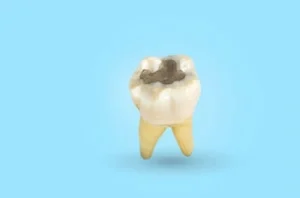
- Biting into hard candy
- Crunching ice
- Chewing hard foods
- Grinding your teeth at night
- Long-term teeth wear
- Hidden tooth decay
If the inner part of the tooth or the tooth’s nerve is not affected, there may be no immediate symptoms.
Types Of Damage That May Occur
Not all damage is the same. The type of break affects the treatment.
Minor Chip
A minor chip may involve only a small part of the enamel. This is common in a front tooth and may mainly affect appearance.
Chipped Molar Or Back Tooth
A chipped molar at the back of the mouth can occur during chewing. A piece may break from the chewing surface without causing pain.
Cracked Tooth
A cracked tooth may show a visible line but remain intact. Sometimes the crack extends deeper over time.
Split Tooth
A split tooth is more serious. The tooth may separate into parts. In some cases, a vertical root fracture develops below the gum line.
Completely Broken
If the tooth is completely broken, meaning a large section is lost, or the tooth is broken down to the root, urgent care is required.
Could Decay Be The Cause?
Sometimes a tooth breaks because it has been weakened by tooth decay. Decay can hollow out the inside of the tooth. When pressure is applied, the weakened structure gives way.
Even if there is no pain now, bacteria may enter the damaged area. If left untreated, the infection can develop. This may eventually require a root canal or even extraction.
Can Large Restorations Affect Tooth Strength?
 Sometimes a piece of tooth breaks away not because of a recent injury, but because the tooth has gradually weakened over time. Old fillings or large restorations can affect how pressure is distributed when you bite or chew.
When a small filling is placed, most of the natural tooth remains intact. However, if a filling is large, more of the original structure has already been removed, this can leave the remaining enamel thinner and less able to withstand daily forces.
Repeated pressure from chewing, grinding, or clenching may place stress along the edges of a restoration. Over time, small cracks can form between the filling and the natural tooth. These cracks may not cause discomfort at first. Eventually, a section of enamel or a cusp can fracture, and a piece of tooth may break off without warning.
As restorations age, they may also wear down or lose their seal. When this happens, the surrounding tooth structure can become more vulnerable to fracture or hidden decay.
In some cases, the filling stays in place while the natural tooth around it breaks. In others, both the filling and part of the tooth may detach together.
When a piece of tooth falls off, no pain may occur if the deeper tissues are unaffected. However, the break may reflect long-term structural stress rather than a sudden impact.
If a tooth contains a large or ageing restoration, an assessment is important. A dentist can evaluate the stability of the remaining structure and determine whether additional protection, such as a crown, is needed to support the tooth.
What To Do Immediately
If a piece comes off:
- Rinse your mouth gently with water.
- If there is bleeding, apply light pressure with sterile gauze.
- If there is a sharp edge or jagged edge, cover it temporarily with dental wax to protect your tongue and cheek.
- Avoid chewing on the affected area.
- Choose soft foods and avoid sticky foods like caramel.
- Book a dental appointment as soon as possible.
Even if there is no discomfort, prompt treatment helps prevent further damage.
When It Becomes A Dental Emergency
While a small chip may not require urgent care, certain signs mean you should seek urgent care or contact a dentist:
- The tooth becomes loose.
- You develop severe pain.
- Swelling appears around the gums.
- There is bleeding that does not stop.
- A large portion of the tooth is lost.
If the tooth suddenly becomes painful after showing no signs at first, it could mean the inner tissue has become inflamed.
In these situations, emergency dental care may be needed. Contact a dentist immediately for assessment. An emergency appointment may be recommended.
Possible Treatment Options
The right repair depends on how much of the tooth is affected.
Dental Bonding
For small chips, dental bonding can restore shape and smooth rough edges. This is often used for a front tooth.
Dental Filling
If decay is present, a dental filling may repair the damaged area.
Dental Crown
If a larger part of the tooth is missing, a dental crown may be placed. A crown covers and protects the remaining natural tooth.
Root Canal Therapy
If damage reaches the pulp and the tooth’s nerve becomes infected, root canal therapy may be required. This removes infected tissue and seals the tooth to prevent further problems.
Extraction
If the tooth is severely damaged or there is significant bone loss, removal may be the only option. If a tooth is missing, replacement options can be discussed.
Why It Is Important Not To Ignore It
Even if a piece of tooth fell off with no pain, ignoring the problem can lead to:
- Infection
- Spread of bacteria to the surrounding teeth
- Increased risk of root damage
- Greater cost and complexity later
Early professional treatment protects your oral health and helps preserve the tooth properly.
Managing Discomfort If It Develops
If discomfort appears later, you can:
- Use over-the-counter medication to manage pain.
- Avoid chewing on that side.
- Keep the area clean.
- Continue good oral hygiene.
However, pain relief does not fix the issue. Professional evaluation is still necessary.
Prevention Tips
 Reducing the risk of tooth breakage involves simple habits:
- Avoid biting very hard foods.
- Do not chew on ice or popcorn kernels.
- Wear a mouthguard if you grind your teeth.
- Attend regular dental check-ups.
- Maintain good oral hygiene.
Regular dental care helps identify weak areas before they fracture.
Front Tooth Vs Back Tooth Damage
A broken front tooth is usually noticed quickly because it affects appearance. A damaged back tooth may go unnoticed longer because it is not visible.
Both require assessment. A small chip today can turn into a larger fracture over time.
When To Act
If a part of the tooth has broken off, do not wait for pain to develop. Book a dental appointment as soon as possible. Even if it seems minor, a dentist can check for hidden cracks or decay.
Prompt treatment helps ensure the repair process is simple and prevents complications.
Final Thoughts
If a piece of tooth fell off without pain, it may not seem urgent, but it should never be ignored. Whether it is a chipped tooth, cracked tooth, or more serious break, early care protects your smile and prevents further dental issues.
Even without discomfort, the inner structure may be vulnerable. Seeking professional advice as soon as possible allows for appropriate treatment and long-term protection of your natural tooth.
If you are unsure about the extent of the damage or would like guidance on the next steps, you can book a consultation or call (08) 7078 8263.
Note: Any surgical or invasive procedure carries risks. Before proceeding, you should seek a second opinion from an appropriately qualified health practitioner.
Resources
“Colgate Editorial Team. (2023). ‘What Is Good Oral Hygiene?’. Colgate, 9 January. New York, NY: Colgate-Palmolive Company. https://www.colgate.com/en-us/oral-health/adult-oral-care/what-is-good-oral-hygiene”
“Kubala, J. (2023). ‘Soft Food Diet: Foods to Eat and Foods to Avoid’. Healthline, 15 March. San Francisco, CA: Healthline Media. https://www.healthline.com/nutrition/soft-food-diet”
“Mayo Clinic Staff. (2024). ‘Teeth Grinding (Bruxism)’. Mayo Clinic, 27 December. Rochester, MN: Mayo Foundation for Medical Education and Research. https://www.mayoclinic.org/diseases-conditions/bruxism/symptoms-causes/syc-20356095”