

Noticing that front teeth tartar broke off while flossing can be surprising, and for some people, a little worrying. You might feel a sharp edge with your tongue, see a small light yellow or slightly black piece come loose, or wonder whether you have chipped a tooth.
This guide explains what it usually means when tartar breaks off, why it can happen during flossing, and what steps help protect your teeth and oral health.
What Is Tartar on Teeth?
Tartar is hardened plaque that sticks firmly to the tooth surface. It forms when a slimy layer called plaque is not removed regularly and absorbs minerals from saliva.
Unlike soft plaque, which can be removed with brushing and flossing, hard tartar bonds tightly to the enamel surface. Once it forms, it cannot be removed at home.
Why Did Tartar Break Off While Flossing?
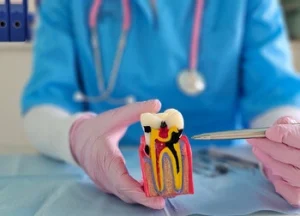 When tartar breaks off while flossing, it is usually because the tartar buildup was already loose or partially detached from the tooth. Flossing applies mechanical force, especially with string dental floss, which can dislodge loose tartar particles.
This is more common on the front teeth, where tartar often builds up along the gum line and between teeth.
Important to note:
- Tartar breaking does not mean it was fully removed.
- Remaining tartar is often still attached.
- Only a dentist can fully remove tartar.
Is It a Chipped Tooth or Just Tartar?
A common concern is whether the piece that broke off is a chipped tooth. Tartar can feel very hard and may look similar to tooth material.
Here are some general differences:
- Tartar often looks light yellow or slightly black.
- Tooth enamel is smoother and blends into the tooth.
- Tartar may leave sharp edges once it breaks.
If you are unsure, it is best to see a dentist for an assessment.
Is It Normal for Tartar to Fall Off?
It is not common, but tartar falls off occasionally, especially in the early stages when it has not fully bonded. However, this does not mean the area is clean.
Even if a piece breaks away, leftover food, bacteria, and remaining tartar can still sit on the tooth surface and under the gums.
Why Tartar Is a Problem for Oral Health
Tartar creates a rough surface that traps food particles and bacteria. Over time, this can affect oral health and increase the risk of:
- Gum disease and inflammation
- Bad breath
- Other dental conditions
Keeping teeth healthy requires addressing tartar properly, not just removing what breaks off.
What to Do Immediately After Tartar Breaks Off
 If tartar broke off while flossing, take a calm and simple approach.
Helpful steps include:
- Gently rinse and rinse your mouth with water.
- Avoid scraping the area with tools or fingernails.
- Continue brushing gently.
Do not try to pick at the area or use sharp objects. Trying to eliminate tartar at home can damage the enamel surface.
Should You Keep Flossing?
Yes, but gently. Flossing is still an important part of good oral hygiene.
When flossing:
- Slide the floss carefully, not forcefully.
- Avoid snapping it against the gums.
- Stop if you feel pain or bleeding.
Flossing helps remove plaque and leftover food, but does not replace professional tartar removal.
Brushing After Tartar Breaks Off
Continue brushing twice daily using:
- A soft toothbrush
- Fluoride toothpaste
This helps clean teeth, reduce bacteria, and protect the enamel. Brushing and flossing together support daily oral hygiene, but cannot remove hardened tartar.
Can a Water Flosser Help?
A water flosser uses high-pressure water to clean between teeth and along the gum line. It can help rinse away loose debris and plaque, especially around the gums.
However, like dental floss, a water flosser cannot remove hard tartar. It is best used as part of an oral hygiene routine, not as a replacement for professional care.
Why Only a Dentist Can Remove Tartar
Once plaque hardens into tartar, only a dentist can safely remove tartar. Dentists use specific tools designed for tartar removal without harming teeth or gums.
Professional tartar removal:
- Clears all remaining tartar
- Smooths the tooth surface
- Helps prevent gum disease
Trying to remove tartar at home can damage enamel and lead to further problems.
What Happens During Professional Tartar Removal?
During a dental visit, the dentist will:
- Examine the tooth surface and gums.
- Remove hard and soft tartar carefully.
- Clean teeth to remove plaque and bacteria.
This process supports long-term dental health and helps maintain a healthy smile.
Can Tartar Cause Bad Breath?
Yes. Tartar traps bacteria, which can lead to bad breath. Removing tartar professionally and maintaining good oral hygiene helps reduce this issue.
How to Prevent Tartar Buildup in the Future
You cannot completely prevent tartar, but you can prevent tartar buildup from becoming severe.
Helpful habits include:
- Brushing twice daily.
- Flossing daily.
- Attending regular dental visits.
Avoiding tobacco products also helps reduce tartar formation and protects oral health.
Does Tartar Affect the Appearance of Front Teeth?
Yes. Tartar on the front teeth can affect appearance and confidence, especially because these teeth are the most visible when you smile or speak. Tartar often appears as a light yellow or slightly darker deposit near the gum line, which can make teeth look uneven or unclean.
In some cases, cosmetic dentistry options may be discussed after tartar is removed, particularly if staining, rough patches, or surface changes remain. This does not mean cosmetic treatment is always needed, but it may be considered if appearance concerns persist.
Keeping the tooth surface clean and smooth helps support a beautiful smile, makes daily cleaning easier, and contributes to long-term dental health.
When to See a Dentist
 You should see a dentist if:
- Tartar broke off, and the area feels sharp.
- You are unsure whether it is a chipped tooth.
- You notice bleeding, swelling, or pain.
- You have concerns about underlying issues.
A dentist can assess the area and ensure there is no damage to the tooth.
Bringing It All Together
If front teeth tartar breaks off while flossing, it is usually a sign of existing tartar buildup rather than a dental emergency. While it may feel like progress, broken tartar does not mean the tooth is clean.
Maintaining good oral hygiene, continuing brushing and flossing gently, and visiting a dentist for proper tartar removal are the appropriate ways to protect your teeth, gums, and long-term oral health.
If you notice tartar breaking off from your front teeth or feel sharp edges after flossing, you can book a consultation with us or call (08) 7078 8263.
Note: Any surgical or invasive procedure carries risks. Before proceeding, you should seek a second opinion from an appropriately qualified health practitioner.
Resources
Colgate Oral Care Center Editorial Team (2023). ‘What Is Good Oral Hygiene?’. Colgate, 9 January. New York, NY: Colgate-Palmolive Company. https://www.colgate.com/en-us/oral-health/adult-oral-care/what-is-good-oral-hygiene
Watson, S. (2024). ‘Gingivitis and Periodontal Disease (Gum Disease)’. WebMD, 9 February. New York, NY: WebMD LLC. https://www.webmd.com/oral-health/gingivitis-periodontal-disease
Cleveland Clinic Health Library Editorial Team (2023). ‘Tartar’. Cleveland Clinic, 19 June. Cleveland, OH: Cleveland Clinic. https://my.clevelandclinic.org/health/diseases/25102-tartar