

A broken tooth can happen suddenly and without warning. Whether it is a chipped tooth from biting something hard, a cracked tooth caused by wear, or damage from contact sports, broken tooth repair is important for both comfort and oral health. Even small breaks can worsen over time if they are not treated as soon as possible.
This guide explains what broken tooth repair involves, the common treatment options, and why early care matters.
What Counts as a Broken Tooth?
A broken tooth is any tooth with damage to its outer structure. This can include:
- A chipped tooth, where a small piece of enamel breaks away
- A cracked tooth, where a line forms through the tooth structure
- A chipped or broken tooth near the gum line
Some broken or chipped teeth may cause noticeable sensitivity or discomfort, while others may not show obvious symptoms at first. Even when there are no clear signs, damage can still worsen over time if left untreated.
Why Broken Tooth Repair Matters
When a tooth is cracked or chipped, the protective enamel layer is weakened. This allows bacteria to reach deeper areas of the tooth, increasing the risk of decay, infection, or gum disease.
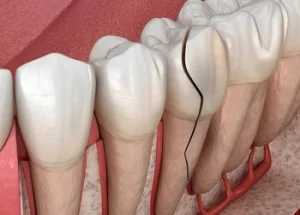 Without proper repair, damaged teeth may lead to:
- Increasing pain or discomfort
- Infection inside the tooth
- Further damage to the surrounding tooth structure
- Changes to biting and chewing
- A higher chance of tooth extraction
Repairing a broken tooth helps protect the tooth, restore function, and support a healthy smile.
Common Broken Tooth Repair Options
The right tooth repair depends on how much of the tooth is damaged, whether infection is present, and whether the affected tooth is a front tooth or a back tooth.
Dental Bonding and Fillings
Dental bonding uses tooth-coloured composite resin to repair small chips or cracks. The material is shaped and hardened to restore the tooth’s appearance and function.
This method is often used for front teeth and minor damage. Composite fillings can also repair chipped or broken areas caused by decay.
Dental Crowns
Dental crowns are used when a tooth is significantly weakened or damaged. A crown covers the whole tooth, protecting it from further damage and restoring strength for biting.
Crowns may be made from porcelain or porcelain-fused materials to match natural teeth. They are commonly used for back teeth that experience more pressure during chewing.
 Dental Veneers
 Dental Veneers
Dental veneers are custom-made porcelain coverings placed on the front surface of teeth. They are often used for chipped or broken front teeth where appearance is a concern, and the damage is limited.
Veneers help restore shape, colour, and confidence in your smile.
Root Canal Treatment
If damage reaches the inner pulp of the tooth, root canal treatment may be needed. A root canal removes infected tissue inside the tooth and seals it to prevent infection.
Once root canal treatment is completed, a crown is often placed to protect the repaired tooth and restore strength.
Tooth Extraction and Replacement
In cases of severe decay, infection, or extensive cracking, tooth extraction may be the only option. When a tooth cannot be saved, replacement options such as a dental implant may be discussed to restore function.
What Causes Teeth to Break?
Broken teeth can happen for many reasons, including:
- Biting hard foods.
- Playing contact sports without a mouth guard.
- Teeth grinding.
- Tooth decay weakening enamel.
- Gum disease affecting support.
- Accidental trauma to the mouth.
People who play contact sports are at greater risk. Wearing a mouth guard helps protect teeth from impact and reduces the likelihood of chipped or broken teeth.
Pain, Discomfort, and When to See a Dentist
A broken or cracked tooth may feel sensitive, sharp, or painful when biting. Some people feel pain only when pressure is applied, while others experience ongoing discomfort.
You should see a dentist as soon as possible if:
- You feel pain or sensitivity.
- The broken area feels sharp.
- There is swelling or signs of infection.
- The tooth continues to break or crack.
Early treatment helps prevent infection and reduces the need for more complex dental treatments.
Protecting Teeth After Repair
 Once a broken tooth is fixed, protecting it is important. This may include:
- Avoiding very hard foods
- Wearing a mouth guard during contact sports
- Maintaining good oral hygiene
- Attending regular dental check-ups
These steps help preserve enamel, reduce decay, and protect repaired teeth from further damage.
Final Thoughts
Broken tooth repair is not just about fixing appearance. It is about protecting the tooth, preventing infection, and maintaining comfort when eating and speaking. Whether repair involves dental bonding, crowns, veneers, or root canal treatment, early care leads to better outcomes.
If you have a damaged or fractured tooth, seeing a dentist promptly can help restore your tooth, protect your oral health, and keep your smile strong and functional.
If you’re concerned about a broken tooth or want clear guidance on appropriate treatment, you can book a consultation or call (08) 7078 8263.
Note: Any surgical or invasive procedure carries risks. Before proceeding, you should seek a second opinion from an appropriately qualified health practitioner.
Resources
Colgate Oral Care Editors. (2023). ‘What Is Good Oral Hygiene?’. Colgate, 9 January. New York, NY: Colgate-Palmolive Company. https://www.colgate.com/en-us/oral-health/adult-oral-care/what-is-good-oral-hygiene
Cleveland Clinic Staff. (2025). ‘Tooth Extraction’. Cleveland Clinic, 4 April. Cleveland, OH: Cleveland Clinic. https://my.clevelandclinic.org/health/treatments/22120-tooth-extraction