

Finding that a decayed tooth broke off at the gum line can be both shocking and uncomfortable. Whether it happened suddenly while eating or slowly over time due to deeper decay, a broken tooth at the gum line is a clear sign that it needs attention. When a tooth breaks this low, the enamel is no longer able to protect the inner layers, and the exposed root or fractured surface can raise the risk of pain, infection, and further damage.
A tooth that has broken down to this point cannot rebuild itself. It is often the result of advancing tooth decay, structural weakness, or previous injury. Even if no pain is present, it should be treated as a dental emergency because bacteria can quickly enter the remaining tooth structure and reach the nerve. The sooner the tooth is assessed by a qualified dentist, the better the chances of preserving surrounding tissues, protecting oral health, and avoiding more complex treatment later on.
In this guide, we look at why a tooth can break at the gum level, what signs to look for, and the common treatment options that may help restore the smile.
Why a Tooth May Break at the Gum Line
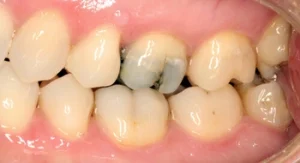 A tooth broken at the gum level can happen in different ways. One common reason is advancing decay that wears down enamel and dentine until the visible crown collapses. In other cases, the tooth may have experienced trauma, grinding pressure, or a previous restoration’s failure. Long-term exposure to sweet foods or poor oral hygiene can also slowly weaken the tooth, leaving it vulnerable to fracture.
When enough enamel is gone, the fracture usually occurs at the tooth’s weakest point, often along the gum line. Sometimes only the crown breaks away, leaving the tooth root still in place. In these cases, the remaining tooth root must be checked carefully because the nerve and inner tissues may still be exposed.
Regardless of the cause, a tooth that has broken this low should not be ignored. To avoid further complications, it must be examined by a dentist to determine how much of the remaining tooth can be saved.
Common Symptoms After Breakage
When a decayed tooth collapses, symptoms may vary from mild to severe. Some people feel only slight irritation, while others report sharp or ongoing discomfort. Signs to pay attention to include:
- Sensitivity or tooth pain when eating hot or cold foods
- Rough or sharp edges scraping against the tongue
- Pressure when chewing
- Bleeding at the gum margin
- Redness or swelling in the surrounding gums
A broken crown can also expose the nerve. If this happens, pain often increases. If you notice these symptoms, it is best to seek prompt dental care. Even minor discomfort may become more severe if the break is left untreated.
Risks When the Root Remains
If the root remains, the chance of infection increases. The inner tissues can be affected by plaque, bacteria, or food debris that enters the open space. When a broken root is exposed, the nerve may be inflamed, and the tooth is more likely to develop an infected pulp. When the pulp is damaged or irritated, root canal therapy may be needed to treat the damaged or infected pulp before any restoration can be placed.
In some cases, when a broken tooth root is left untreated, infection can spread to the jawbone or gum tissues, leading to gum disease, bone loss, or swelling. The safest response is always to seek emergency dental care or see a dentist as soon as possible.
When You Should Seek Emergency Help
A tooth broken at the gum level should always be viewed as a dental dilemma, but certain signs require urgent action. Situations that call for immediate dental attention include:
- Severe pain that does not settle
- Signs of infection, such as swelling or heat
- Visible root exposure
- Cracked or loose fragments
- Gum tenderness
- Bleeding that does not stop
If any of these happen, it is best to see a dentist immediately. Fast action helps prevent infection, protect the tooth, and avoid the need for full removal.
What Dentists Look For
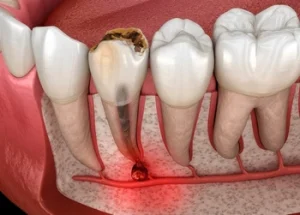 When a dentist examines a tooth that has broken at the gum line, they usually focus on:
- How much remaining tooth structure is present
- Whether the pulp is exposed or swollen
- Whether the tooth root is stable
- The condition of the surrounding teeth
If the root is strong enough, the tooth may still be restored. If decay has reached deep inside, other options may be considered. Each case is different, so an assessment helps decide on the safest and most stable restoration.
Possible Treatment Options
The final treatment depends on how much of the tooth is intact, whether infection is present, and how stable the root is. Common treatment options used by dentists include:
Root Canal
If the nerve or inner pulp is damaged, root canal treatment may be performed to remove any infection and preserve the root before rebuilding the tooth.
Dental Crown
Once healing begins, a dental crown may be placed to protect the tooth, rebuild shape, and provide strength if enough structure remains above the gum line.
Dental Implant
If the break is too deep to save the tooth, a dental implant might be recommended. It replaces the missing structure, protects surrounding teeth, and restores dental function.
Comprehensive Dental Care
Depending on the level of damage, a dentist may combine different steps, such as cleaning, rebuilding support, and monitoring healing. When more than the crown has broken off, careful planning ensures proper healing and avoids further damage.
How to Protect a Tooth While Waiting for Care
If your tooth breaks before you can see a dentist, there are small steps that help protect oral tissues:
- Avoid chewing hard foods
- Rinse with warm water to dislodge debris
- Avoid temperature extremes
- Keep the area clean
- Do not press or poke at the site
These actions are only temporary. They do not replace proper prompt dental care, but they may help stabilise the area until an examination can be done.
Prevention Through Good Habits
Some tooth fractures cannot be avoided, especially if caused by sudden dental trauma, but practising good oral hygiene and regular care can lower risks. Daily brushing, flossing, and checking the gums help support healthy teeth. Regular dental check-ups allow dentists to detect early tooth decay, treat cracks, and strengthen weakened enamel before a break occurs.
Preventive measures such as avoiding hard foods, spreading pressure evenly during chewing, and not biting on pens or fingernails also help protect teeth from sudden collapse.
Restoring Dental Health After Treatment
 After treatment, follow your dentist’s instructions to ensure proper healing. This may include keeping the site clean, following medication guidance, and attending follow-up appointments. Early treatment also helps preserve the natural tooth structure, supports the surrounding gums, and reduces the chance of future issues.
Good recovery means protecting the mouth against new fractures, monitoring any tenderness, and continuing comprehensive dental care long-term.
Final Thoughts
If a decayed tooth broke off at gum line, it should never be ignored. A tooth that has broken this low may still have a healthy root, but it always needs professional review to confirm the safest path forward. Seeing a dentist early can restore comfort, stabilise the site, and avoid larger problems later.
Whether the right solution is a crown, implant, or root canal therapy, the goal is always to preserve oral health, protect teeth, and choose appropriate treatment that suits the condition of the tooth. If you notice sudden pain, see exposed root, or feel rough edges, the best response is to seek emergency dental care and review the tooth with a trained professional.
With prompt attention, careful planning, and proper follow-up, most people recover well and return to normal function. Early action supports both long-term comfort and healthy teeth and helps keep the mouth stable, strong, and free from ongoing complications.
If you’re concerned about a decayed tooth broken at the gum line or want clarity on the best treatment to protect your dental health, you can book a consultation or call (08) 7078 8263 to discuss your options with a dentist.
Note: Any surgical or invasive procedure carries risks. Before proceeding, you should seek a second opinion from an appropriately qualified health practitioner.
Resources
“Stang, D. (2018). ‘Root Canal’. Healthline, 25 May. San Francisco, CA: Healthline Media.
https://www.healthline.com/health/root-canal”
“Cleveland Clinic Staff. (2023). ‘Cavities’. Cleveland Clinic, 27 March. Cleveland, OH: Cleveland Clinic.
https://my.clevelandclinic.org/health/diseases/10946-cavities”
“Morgan, K. K. (2025). ‘Tooth Enamel Erosion and Restoration’. WebMD, 07 October. New York, NY: WebMD LLC.
https://www.webmd.com/oral-health/tooth-enamel-erosion-restoration”